
If you lost everything you own tomorrow, what would you still have that could help you rebuild? Your answer is probably more important than your bank balance, job title or business. It is you—your knowledge, attitude, health, skills, character, relationships and ability to learn.
We spend years investing in education, property, businesses, technology and money, yet often forget to invest in the person who creates and manages all these assets. The truth is simple: you are the most important asset in your life and business.
When you improve yourself, you increase your ability to handle challenges, recognize opportunities and create value. Your attitude influences your decisions; your decisions become habits; and your habits eventually shape your life and leadership.
Why You Are Your Greatest Asset in Daily Life
Life is built through small decisions. How do you respond when someone criticizes you? What do you do after failure? Do you accept responsibility or blame circumstances?
Imagine two professionals who are both denied a promotion. One says, “Management does not appreciate hard work,” and becomes frustrated. The other asks the manager, “What skills do I need to develop to be ready for the next opportunity?”
The disappointment is identical. The response is different.
That difference can change a career.
A positive attitude does not mean pretending everything is perfect. It means accepting reality without giving up your ability to act. You can be disappointed and still learn. You can fail and still improve.
Key Takeaway: Your attitude is an invisible asset. How you manage it influences how you manage your life.
Think About This: When something goes wrong, do you first ask, “Whose fault is this?” or “What can I do now?”
Why People Are the Most Valuable Asset in Business
A business may have money, technology and an excellent product, but people make those resources productive. People create products, serve customers, solve problems, make decisions and build trust.
Consider an entrepreneur whose sales suddenly decline. One leader immediately blames the sales team. Another gathers the team, studies customer feedback and asks, “What are customers telling us that we are missing?”
The second response creates an opportunity to learn.
This distinction matters because leadership behaviour spreads. A leader who constantly blames people may create a culture where employees hide problems. A leader who encourages ownership can create a culture where problems are identified early and solved collectively.
Your attitude therefore becomes part of your business culture.
Key Takeaway: Your mindset does not stay with you; as a leader, it can influence everyone around you.
Reader Question: If your attitude became part of your company’s culture tomorrow, what would that culture look like?
Understanding This Principle Early in Life
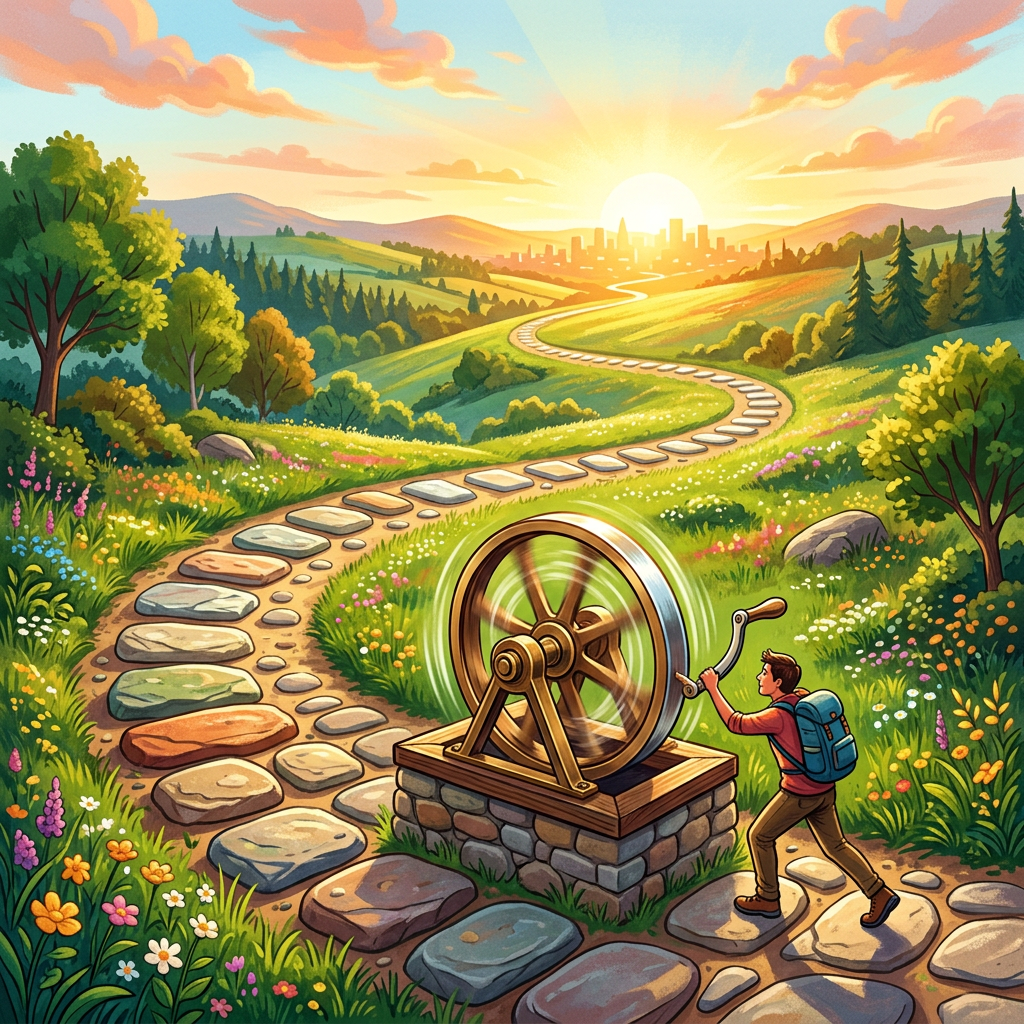
The earlier you understand that personal growth compounds, the more time you have to benefit from it.
A young professional who develops communication skills early can use them in interviews, negotiations, relationships and leadership for decades. Someone who learns financial discipline early can build stronger long-term habits. A person who develops curiosity and a love of learning continues expanding their capabilities long after formal education ends.
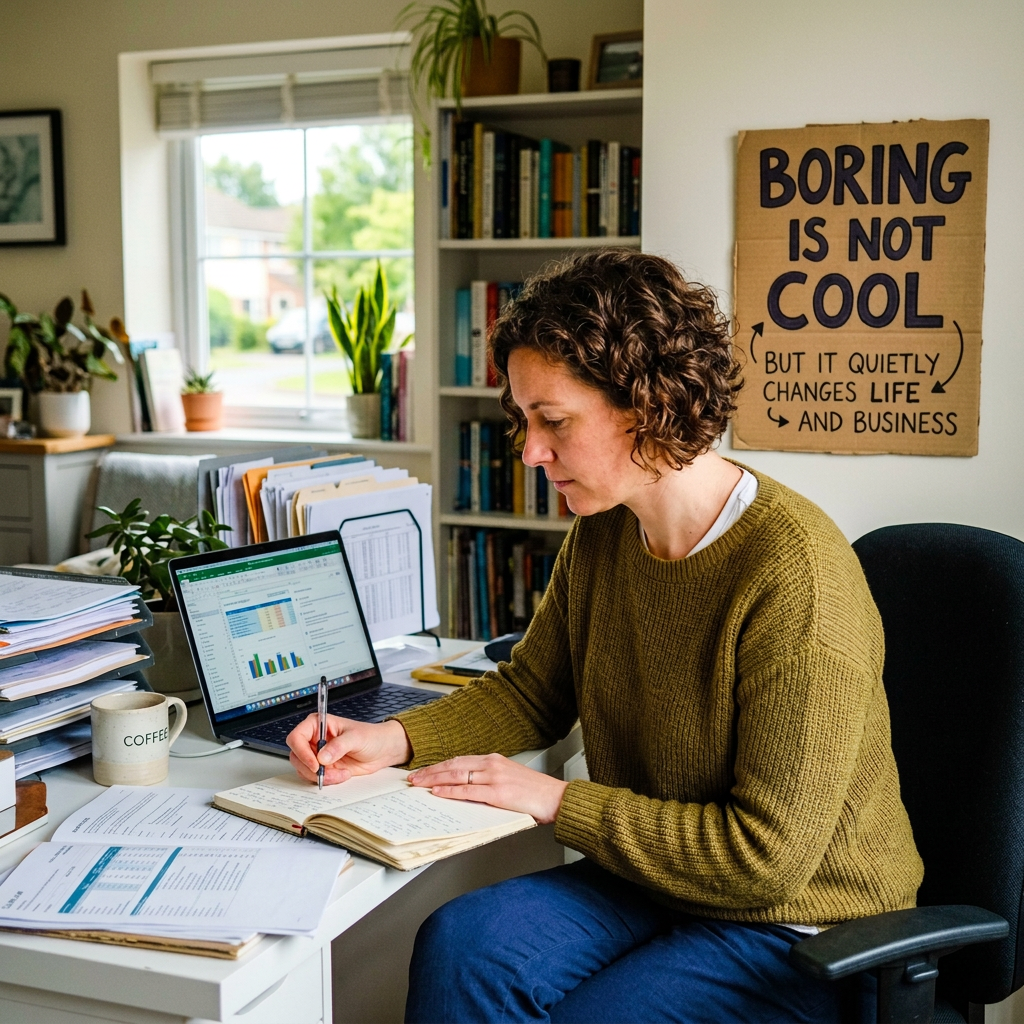
One workout does not transform your health. One book does not transform your career. One small saving does not create wealth.
But repeated actions do.
The same compounding principle works negatively. Procrastination, poor health, careless spending and refusing feedback can also become deeply established habits.
Your future is being built quietly by what you repeatedly do today.
Key Takeaway: Investing in yourself early gives your investment more time to compound.
Your Turn: What is one habit you started years ago that is still helping you today? Share it in the comments.
Becoming a Better Leader at Every Professional Level
Leadership does not begin when you receive a senior designation.
An intern can show leadership by being dependable. A team member can demonstrate it by helping colleagues. A manager can lead by developing people. A senior executive can lead through responsible decision-making.
People watch how you behave under pressure.
Do you listen when challenged? Do you accept responsibility? Do you give credit to others? Do you remain calm when plans fail?
Before leading others, learn to lead yourself.
Self-Awareness Comes Before Leadership
Self-awareness helps you recognize your strengths, weaknesses, emotions and blind spots.
For example, if you become defensive whenever someone questions your idea, recognizing that behaviour gives you a choice. You can pause, listen and ask questions rather than immediately reacting.
That small change can improve your relationships and your leadership.
Key Takeaway: Your title may give you authority, but your character determines whether people trust you.
Lessons From Successful Indian Leaders
Ratan Tata: Values and Long-Term Thinking
Ratan Tata offers a powerful example of values-based leadership. His public legacy is associated with humility, trust, long-term thinking and social responsibility.
His journey demonstrates that ambition and values do not have to compete. A leader can pursue business growth while also thinking about people, communities and reputation.
For today’s professional, the lesson is straightforward: build success that you can respect, not merely success that looks impressive.
Narayana Murthy: Discipline and Institutions
Narayana Murthy’s journey with Infosys offers lessons in professionalism, governance, transparency and institutional thinking.
A strong business should not depend completely on one individual. It needs systems, capable people and principles that continue working as the organization grows.
For entrepreneurs, this is a valuable reminder: your goal is not to make yourself indispensable. Your goal is to build something that becomes stronger because of your leadership.
Key Takeaway: Great leaders turn personal values into principles that help others succeed.
Lessons From International Leaders
Satya Nadella: Empathy and a Growth Mindset
Satya Nadella’s leadership at Microsoft is strongly associated with empathy, learning and a growth mindset.
His example shows that empathy is not the opposite of business performance. Understanding employees and customers can help leaders make better decisions and build stronger organizations.
The lesson is particularly relevant in today’s rapidly changing workplace: leaders must remain learners.
Indra Nooyi: Strategy and Responsibility
Indra Nooyi’s leadership journey demonstrates strategic thinking, communication and the ability to balance business performance with broader responsibilities.
Her career illustrates that leadership is rarely about one skill. It requires continuous learning, clear communication, resilience and the ability to make difficult decisions.
The common thread among these leaders is not that they all lead in the same way. It is that they continued developing themselves while creating value for others.
Key Takeaway: Strong leadership begins with personal growth and extends through the people you influence.
Why Entrepreneurs Must Invest in Themselves
For entrepreneurs, personal development and business development are closely connected.
If you cannot delegate, your company may eventually depend on you for every decision. If you struggle to communicate, your team may struggle too. If you refuse feedback, problems can remain hidden.
Imagine a founder who insists on approving every small decision. At first, this may feel like control. As the company grows, however, it becomes a bottleneck.
Another founder trains capable managers, delegates responsibility and focuses on strategy. The second business has a better chance of scaling because the leader has invested in building people—not just processes.
This creates an important paradox:
The better you become as a leader, the less your business should depend on you for every small decision.
Your role evolves from doing everything yourself to creating an environment where capable people can succeed.
A Simple Action Plan: Invest in Yourself
Start today. You do not need a dramatic transformation.
- Conduct a personal audit. Identify your strengths, weaknesses, habits and blind spots.
- Choose one high-value skill. Focus on communication, leadership, finance, sales, technology or another important capability.
- Learn every day. Read, practise, find a mentor or take a relevant course.
- Protect your health. Sleep, exercise and mental well-being are foundational assets.
- Ask for honest feedback. Ask someone you trust: “What is one thing I should improve?”
- Replace blame with ownership. Ask, “What is within my control?”
- Build genuine relationships. Treat people well before you need their help.
- Develop others. Share knowledge and give capable people opportunities.
- Review yourself monthly. Ask what worked, what failed and what you learned.
- Think long term. Measure progress over years, not one difficult week.
Key Takeaway: Becoming your greatest asset is not a one-time project. It is a lifelong process of learning, adapting and improving.
Conclusion: Build the Person Who Builds Everything Else
Your most important asset is not your money, position, company or possessions.
It is you.
Money can be lost and rebuilt. A business can fail and be started again. A career can change direction. But the ability to learn, adapt, communicate, lead and create value gives you the capacity to rebuild.
So begin with yourself.
Improve one skill. Change one habit. Ask for feedback. Take better care of your health. Read something useful. Help someone else grow. Take responsibility for what you can control.
These actions may look small today, but repeated over years they can transform both your life and your business.
Build yourself, and you increase your ability to build everything else.
Share Your Experience
Now ask yourself:
What personal quality has contributed most to your success—attitude, discipline, resilience, empathy, learning or something else?
Share your answer in the comment section below. Your experience may provide exactly the encouragement another reader needs.
Also, please share this article with at least one person who needs to understand that they are their most important asset.
And if you haven’t subscribed yet, please subscribe through the email Subscription Box at the bottom of the page so you can receive future articles on leadership, personal growth and business.
Frequently Asked Questions
1. Why am I the most important asset in life and business?
Because your knowledge, attitude, skills, health and decisions determine how effectively you use every other resource.
2. How does attitude affect business?
Your attitude influences leadership, decision-making, communication, resilience and the culture you create around you.
3. How can I invest in myself?
Start with one valuable skill, develop a daily learning habit, protect your health and actively seek honest feedback.
4. Why should I understand this early in life?
Because personal habits, knowledge, relationships and skills compound. Small improvements repeated consistently can create major long-term results.
5. What is the first step?
Begin with self-awareness. Identify where you are today, decide what needs improvement and take one practical step forward.
Stay tuned!!






Leave a Reply