
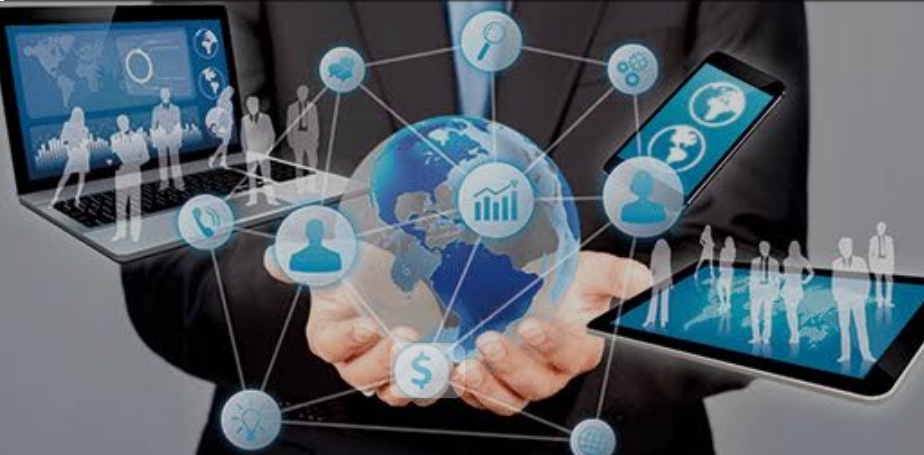
Technology has truly become an indispensable part of our everyday lives, significantly influencing both personal and professional spheres. Its profound impact is evident in the way we live, communicate, and conduct business. My boss, Mr. Saurav Kasera (my Mentor & Co-founder, CLIRNET, Global largest digital LIVE CME Platform), firmly believes that “Technology must be a saviour rather than a barrier.” In the pursuit of innovation, engineers often develop essential features that, unfortunately, come with complex accessibility. Although their intentions are noble, sometimes their technology-focused mindset overlooks the user experience. As a result, the gap between user needs and technological solutions becomes minimal, causing users to revert to familiar methods. Therefore, it’s crucial for technology to serve as a tool for simplification and accessibility, ultimately creating a widespread and positive impact. Alongside its benefits, technology also presents various professional and societal challenges.
Impact on Life:
The Changing Landscape of Communication:
Paving the Way for Connection: The rise of technology has ushered in an era of instantaneous communication, bridging the gap between individuals across the globe. Through social media platforms, messaging apps, and video conferencing tools, people can effortlessly maintain connections, nurturing relationships regardless of the distances that separate them.
Navigating the Challenges: Nevertheless, the ubiquity of connectivity brings forth its own set of challenges, such as the overwhelming influx of information, potential privacy issues, and the potential to disrupt in-person interactions.
Unprecedented Access to Information:
Positive: The internet has truly democratized information access, offering an abundance of knowledge right at our fingertips. This has empowered individuals to learn, explore, and stay informed on a wide array of topics.
Challenges: It’s important to recognize the potential for information overload and the spread of misinformation, which can pose challenges. These concerns call for the development of critical thinking skills to discern reliable sources.
Advancements in Healthcare: While it remains an area of ongoing progress, healthcare has immensely benefited from technological advancements and research breakthroughs. This has led to improved treatments, better diagnostic tools, and enhanced healthcare delivery.
In a Positive Light: Technology has truly revolutionized healthcare with the introduction of telemedicine, wearable devices, and health apps. This facilitates remote monitoring, personalized healthcare plans, and quicker access to medical information.
Challenges Ahead: It’s important to consider the areas of privacy concerns, data security, and the potential overreliance on technology in healthcare decision-making with great care and attention.
Adaptations in Work and Lifestyle:
Positivity: The introduction of remote work opportunities, online learning, and e-commerce has brought about profound changes in our traditional work and lifestyle conventions. This newfound flexibility has undeniably enhanced the work-life equilibrium for numerous individuals.
Obstacles: However, these advancements have also given rise to challenges such as the digital disparity, job displacement stemming from automation, and the necessity to continually adapt to swiftly evolving skill requirements.
Impact on Business:
Embracing Automation for Enhanced Efficiency:
The Upside: Businesses harness the power of technology to automate tasks, streamline operations, and boost overall efficiency. This results in cost savings, quicker production, and an enhanced quality of products and services.
The Hurdles: Job displacement, the necessity to retrain the workforce, and the potential ethical dilemmas surrounding AI and automation.
Data-driven Decision Making:
Positive: Technology enables businesses to collect and analyze vast amounts of data, aiding in informed decision-making. This data-driven approach enhances competitiveness and helps in identifying market trends.
Challenges: Ensuring data privacy and security, and addressing biases in algorithms to avoid unintended consequences are critical challenges.
Globalization and Market Reach:
Positivity: In today’s interconnected world, technology has created opportunities for global communication and expanded market reach. This means that small businesses now have the chance to compete on a global scale, and international collaboration has become more accessible.
Challenges: However, navigating diverse regulatory environments, cultural nuances, and managing cybersecurity risks in a global context presents ongoing challenges for businesses.
While technology has indeed brought about numerous benefits in both personal life and business, it is crucial to empathetically acknowledge and address the potential drawbacks and challenges associated with its widespread use. Here are some of the cons of technology in life and business:
Cons in Life:
Social Isolation:
Challenges: Excessive reliance on technology, especially social media, can contribute to a sense of isolation, as people may prioritize virtual interactions over in-person connections.
Consequences: This can result in diminished interpersonal skills and a feeling of disconnect from real-life social interactions.
Privacy Considerations:
Concern: The gathering and use of personal data through different technologies can raise valid privacy worries.
Effect: This can leave individuals feeling vulnerable or taken advantage of, with the added risk of unauthorized access or misuse of sensitive information.
Digital Addiction:
Issue: The captivating pull of technology, including smartphones and social media, often results in excessive screen time and dependency.
Impact: This can have detrimental effects on mental health, leading to increased anxiety, depression, and a decline in overall well-being.
Dealing with Job Displacement: How we navigate job displacement due to technological advancements is a crucial challenge that requires thoughtful consideration and support.
Challenges: The rise of automation and technological progress has the potential to displace workers, especially in fields where manual work can be replaced by machines.
Consequences: This can result in higher rates of unemployment, calling for initiatives to retrain and assist individuals in transitioning back into the workforce.
Cons in Business:
Cybersecurity Concerns:
Challenges: As businesses rely more on technology, they face an escalating array of cybersecurity threats, such as data breaches, ransomware attacks, and other malicious activities.
Consequences: These threats can lead to financial losses, harm the organization’s reputation, and may result in legal repercussions.
Reliance on Technology: It’s clear that businesses rely heavily on technology, making it absolutely essential for them to address cybersecurity issues in order to safeguard their operations and interests.
Issue: When businesses are heavily dependent on technology, they may encounter disruptions in the event of system failures, cyber attacks, or other technical issues.
Impact: This can lead to downtime, loss of productivity, and potential financial losses.
Job Displacement and Skill Gap: These challenges underscore the importance of continually adapting and enhancing skills in response to technological progress.
Issue: Automation and AI have the potential to displace specific roles, resulting in a disparity between the skills that workers currently possess and those required in the ever-changing job landscape.
Impact: This could lead to unemployment, necessitate comprehensive workforce retraining, and potentially contribute to social and economic disparities.
The Pitfall of Excessive Reliance on Data: It is important to recognize the potential drawbacks that come with our growing reliance on data.
Concern: When we exclusively rely on data to make decisions, we run the risk of neglecting essential qualitative factors, human intuition, and ethical implications.
Consequences: This approach could lead to misinterpretation of data, disregarding important social considerations, and basing decisions entirely on quantitative metrics.
Conclusion:
Technology should be seen as a valuable tool to serve a greater human purpose, surpassing the limitations of traditional methods. Its focus should always be on enhancing humanity and avoiding depletion. Furthermore, technology should attend to the small tasks, allowing our minds to concentrate on meaningful endeavors. It’s important to approach the integration of technology with care, acknowledging the possible negative effects and taking proactive measures to address these challenges. Finding a balance between the benefits and drawbacks of technology is essential to cultivate a sustainable and considerate technological environment, both in personal and professional spheres.
Hope you enjoyed the article! We’d love to hear your thoughts on the influence of technology in our daily lives.
Stay connected!








Leave a Reply