

“Why do I keep checking my phone even when I know there’s probably nothing new?”
A young software engineer asked himself this question after realizing he had unlocked his phone nearly 90 times before lunch. He wasn’t expecting an urgent call. He wasn’t waiting for an important email. Yet, every few minutes, his hand instinctively reached for his phone. Sometimes there was a message, sometimes there wasn’t. But every once in a while, there was something exciting—a promotion, a compliment on LinkedIn, or a message from an old friend. Those occasional moments were enough to keep him checking again and again.
The same invisible force influences investors refreshing stock prices, entrepreneurs hoping for the next big client, professionals waiting for interview calls, and even children opening surprise gifts. This force is known as the Unpredictable Reward System—one of the most powerful drivers of human behaviour.
Understanding this simple idea can help you become a better leader, a smarter entrepreneur, and a more disciplined individual. It can also help you recognize when companies are using it to capture your attention—and how you can use it ethically to motivate yourself and others.
What Is the Unpredictable Reward System?
An unpredictable reward is a reward that arrives randomly rather than at a fixed or guaranteed time. Because our brain never knows exactly when the reward will appear, it stays curious, alert, and motivated to repeat the behaviour.
Imagine these everyday situations:
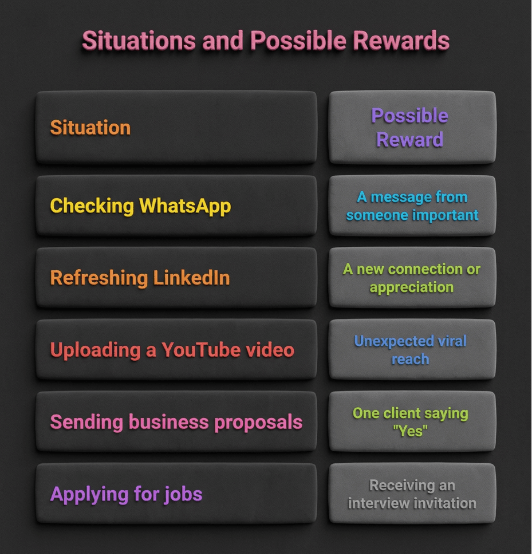
Notice the pattern? The uncertainty keeps us engaged.
Our brain releases dopamine, a neurotransmitter associated with motivation and anticipation, not just when we receive a reward but while we are expecting one. That anticipation often drives our behaviour more than the reward itself.
What Is Skinner Box Economics? (In Simple Words)
The term Skinner Box comes from American psychologist B.F. Skinner, one of the pioneers of behavioural psychology.
Skinner created a small experimental box containing a lever and a food dispenser. A rat inside the box learned that pressing the lever sometimes produced food.
He observed three important patterns:
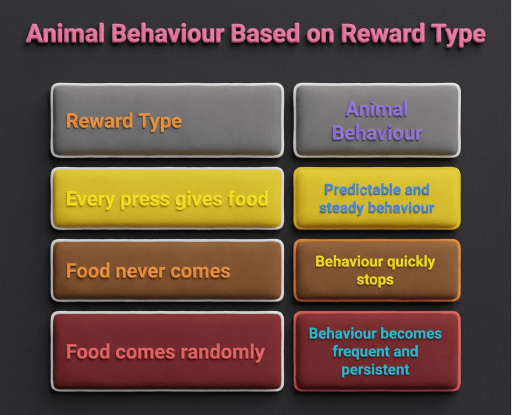
The third pattern surprised researchers. The animals kept pressing the lever because they never knew which press would deliver the reward.
Today, this principle influences what many experts call Skinner Box Economics—a business model where companies use variable rewards to encourage repeated engagement. Examples include:
- Social media notifications
- Online shopping flash deals
- Mobile games with surprise rewards
- Credit card reward programs
- Streaming platforms recommending “just one more” episode
- Food delivery apps offering random discount coupons
Used responsibly, these strategies improve customer experiences. Used irresponsibly, they can encourage compulsive behaviour.
Making the Action Plan More Practical
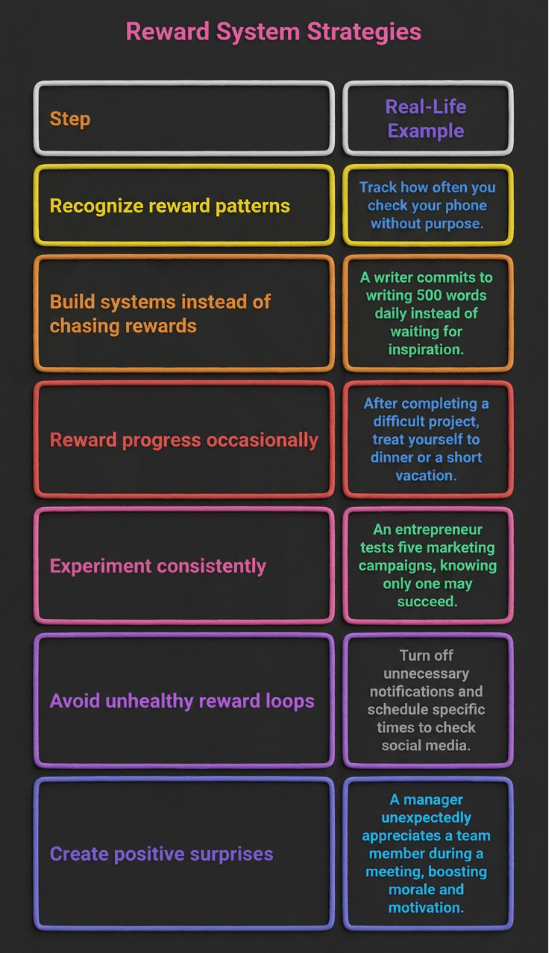
Real-Life Business Case Study
Case Study: Starbucks Rewards
Starbucks transformed customer loyalty by making rewards feel exciting rather than purely transactional. Customers collect stars with every purchase, but occasional bonus star events, surprise offers, birthday rewards, and personalised promotions create moments of delight that encourage repeat visits.
Customers return not only because they know they will earn rewards but because they might receive something extra when they least expect it. This emotional engagement strengthens loyalty far more effectively than a flat discount every time.
The lesson is simple: people remember pleasant surprises more than predictable transactions.
Strengthening the Conclusion
Understanding the Unpredictable Reward System is not just about psychology—it is about living and leading more intentionally.
Once you recognize how variable rewards influence your habits, you gain the ability to make better decisions instead of reacting automatically. As a professional, it teaches patience and resilience. As a leader, it helps you motivate people through meaningful appreciation rather than routine incentives. As an entrepreneur, it encourages creating memorable customer experiences built on trust instead of manipulation.
The biggest opportunities in life rarely arrive on a predictable schedule. Careers, businesses, investments, and relationships often reward those who continue showing up long after others have stopped trying. That is why understanding this principle early in life creates a powerful compounding advantage.
Instead of allowing unpredictable rewards to control your attention, learn to use them to build better habits, stronger teams, and sustainable success.
Join the Conversation
Have you ever noticed yourself checking your phone, email, or social media without thinking—or experienced an unexpected reward that changed your motivation? Share your story in the comments section below. Your experience could help another reader see this concept from a new perspective.
If this article gave you a fresh way of thinking, please share it with at least one friend, colleague, entrepreneur, or student who could benefit from understanding how unpredictable rewards shape our daily lives and business decisions.
Finally, if you haven’t already, subscribe through the email Subscription Box at the bottom of this page. You’ll receive practical insights on leadership, business, psychology, decision-making, and personal growth—delivered directly to your inbox, one thoughtful article at a time.
Stay tuned!!








Leave a Reply