

Imagine meeting a friend who has been unusually quiet. You ask, “What has happened?” They tell you the story, but you may never discover what they are truly experiencing inside.
Now imagine asking, “How do you feel about what you are going through?”
That simple question can open a different door. It communicates care, builds trust, and creates space for an honest conversation.
In personal life, leadership, entrepreneurship, and even a doctor’s clinical practice, understanding feelings can change how we respond to people. The real lesson is simple: People don’t always need someone to solve their problems immediately; sometimes, they need someone who genuinely understands them.
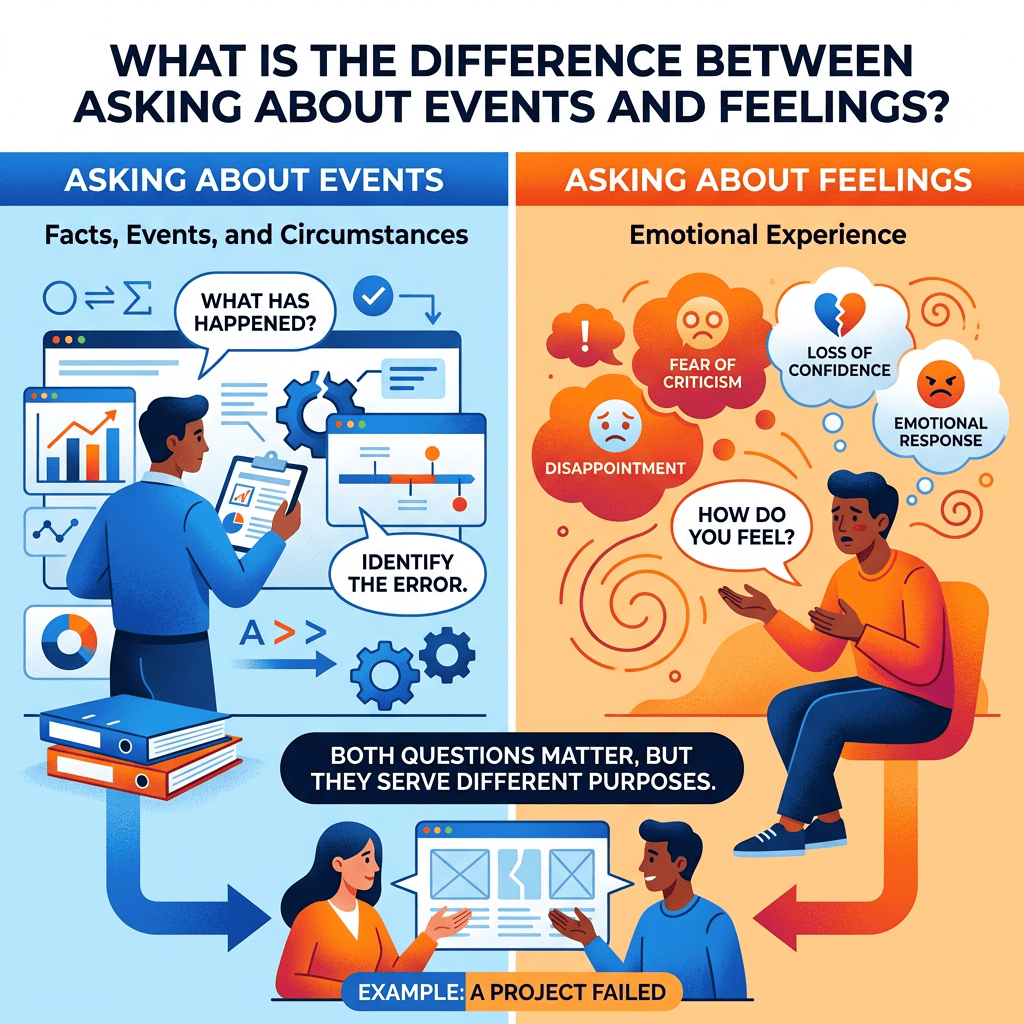
Asking “What has happened?” focuses on facts, events, and circumstances. Asking “How do you feel?” focuses on the emotional experience behind those circumstances.
Both questions matter, but they serve different purposes.
For example, an employee might say that a major project has failed. Asking what happened helps identify the mistake. Asking how the employee feels may reveal disappointment, fear of criticism, or a loss of confidence.
When we understand both the situation and the emotion, we can respond more wisely.
Think of it this way: Facts tell us where the fire started; feelings help us understand who is getting burned.
Relationships often suffer not because people stop caring, but because they stop feeling understood.
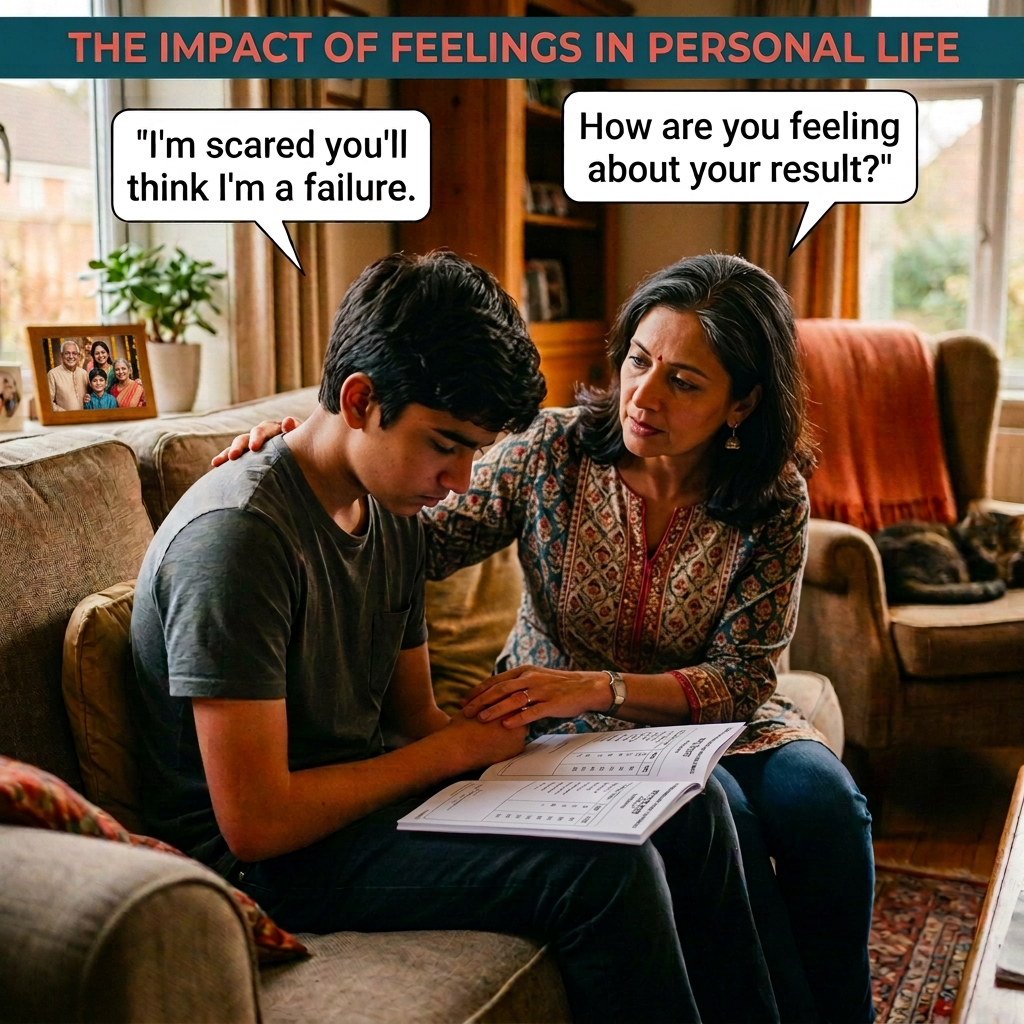
A teenager who has performed poorly in an examination may already feel ashamed. A parent who immediately asks, “Why didn’t you study properly?” might unintentionally increase that shame.
Imagine the parent asking instead, “How are you feeling about your result?”
The child may finally admit, “I’m scared you’ll think I’m a failure.”
That answer reveals something the examination result cannot. The parent can now offer reassurance, discuss practical improvements, and rebuild confidence.
The same principle applies to marriages, friendships, and family relationships. Listening without immediately judging or advising helps people feel emotionally safe.
The impact: Greater trust, fewer misunderstandings, stronger relationships, and healthier communication.
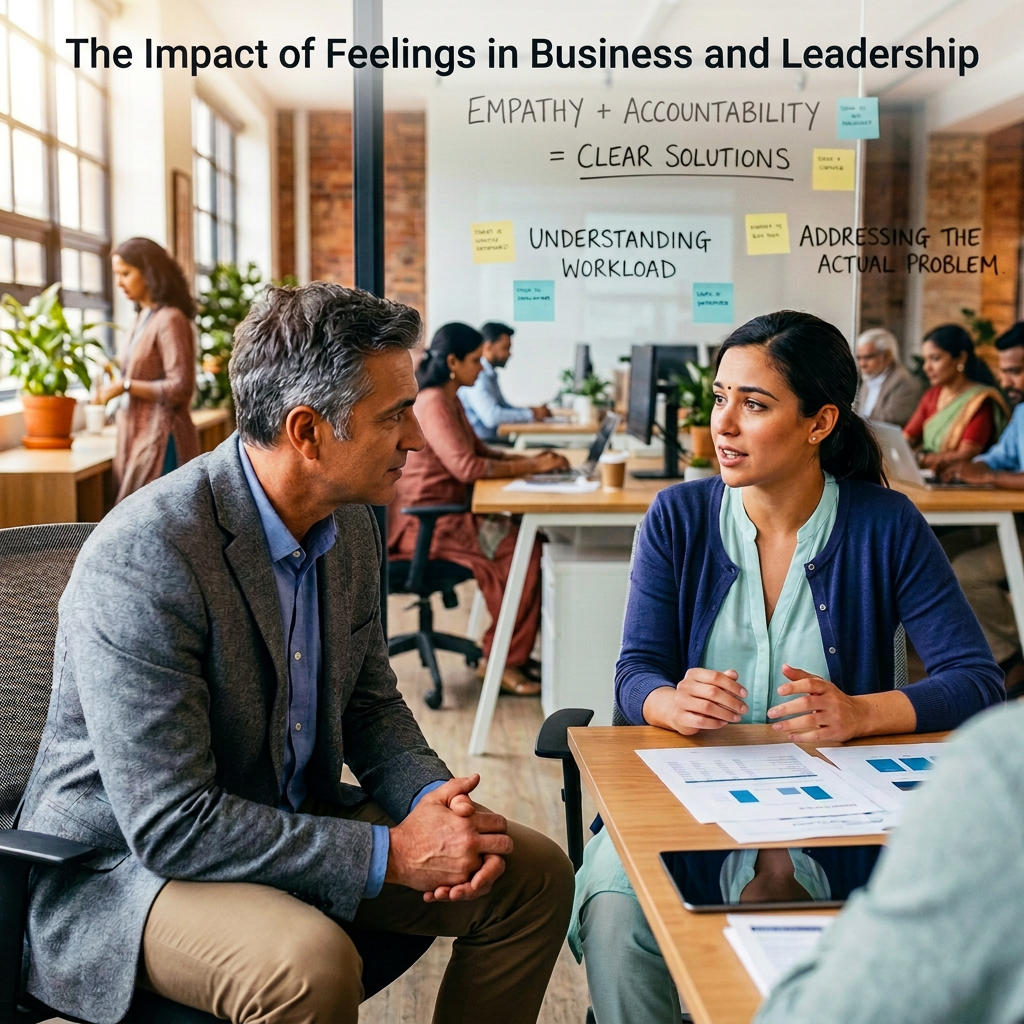
Suppose a talented employee misses an important deadline. One manager reacts with anger and demands an explanation. Another asks, “I noticed you’ve been struggling lately. How are you feeling about your workload?”
The employee might reveal that responsibilities have doubled and that they are afraid to ask for help.
Now the leader can address the actual problem instead of simply blaming the individual.
Emotional understanding does not mean avoiding accountability. It means combining empathy with clear expectations, fair decisions, and practical support.
The impact on business: Better teamwork, stronger employee engagement, improved conflict resolution, and a workplace where people are more willing to communicate problems early.

Imagine emotional awareness as a seed planted early in life. Every conversation becomes an opportunity to strengthen it.
A young person who learns to recognize feelings may become better at managing frustration, accepting feedback, and making thoughtful decisions. Over time, these small habits influence friendships, career choices, professional relationships, and leadership style.
In everyday life, this awareness helps us pause before reacting. In professional life, it helps us distinguish between an employee’s poor performance and the personal or organizational challenges contributing to it.
As an entrepreneur, it can help you understand what customers actually value rather than assuming you already know. In clinical practice, it can help a doctor recognize that a patient’s fear, confusion, or embarrassment may affect how openly they describe symptoms and follow treatment.
The benefits compound because every interaction shapes the next one. A person who consistently listens well is more likely to build trust, receive honest feedback, and make better-informed decisions.
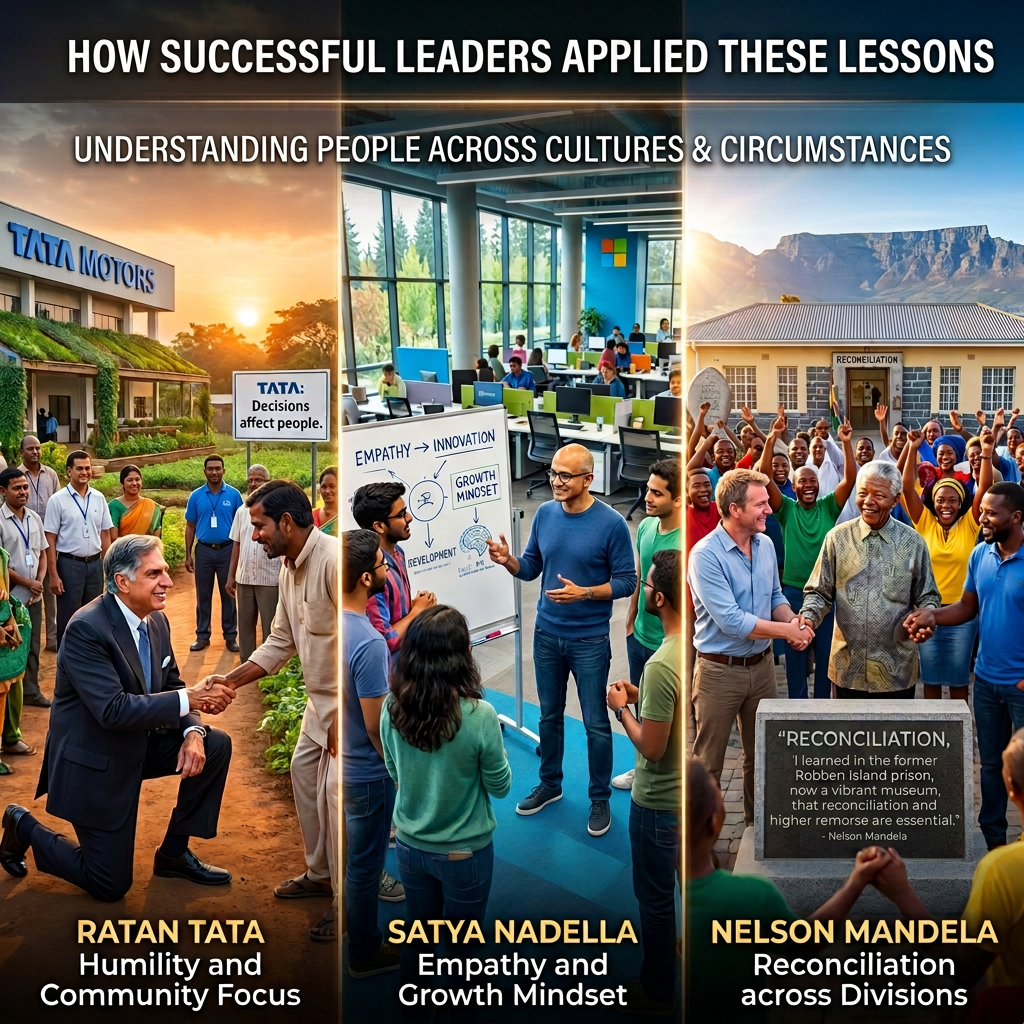
Several respected leaders have demonstrated the value of understanding people, even though their circumstances and leadership styles differ.
- Ratan Tata: His public leadership legacy is closely associated with humility, responsibility, and concern for employees and communities. These values remind business leaders that decisions affect people, not merely balance sheets.
- Satya Nadella: At Microsoft, Nadella has emphasized empathy and a growth mindset as important elements of organizational culture. His leadership illustrates how listening and learning can support collaboration and innovation.
- Nelson Mandela: His commitment to reconciliation demonstrated the importance of understanding people across deep divisions rather than responding only with hostility.
These examples should not be reduced to the claim that empathy alone created their success. Leadership outcomes have many causes. Their broader lesson is that understanding people can complement strategic thinking, courage, and accountability.

A patient may describe a headache, chest discomfort, or persistent fatigue. Clinical questions help the doctor understand symptoms, but an empathetic question can reveal how those symptoms affect the patient’s life.
Consider a patient who repeatedly misses appointments. Rather than assuming the patient is careless, a doctor might ask, “How are you feeling about your treatment? Is anything making it difficult to continue?”
The answer may uncover fear of side effects, financial pressure, confusion about medication, or anxiety about a diagnosis.
This information can support better communication and more realistic treatment planning. Of course, empathy must work alongside medical history, examination, investigations, and evidence-based clinical judgment.
A good clinician treats the medical condition while remembering the human being experiencing it.
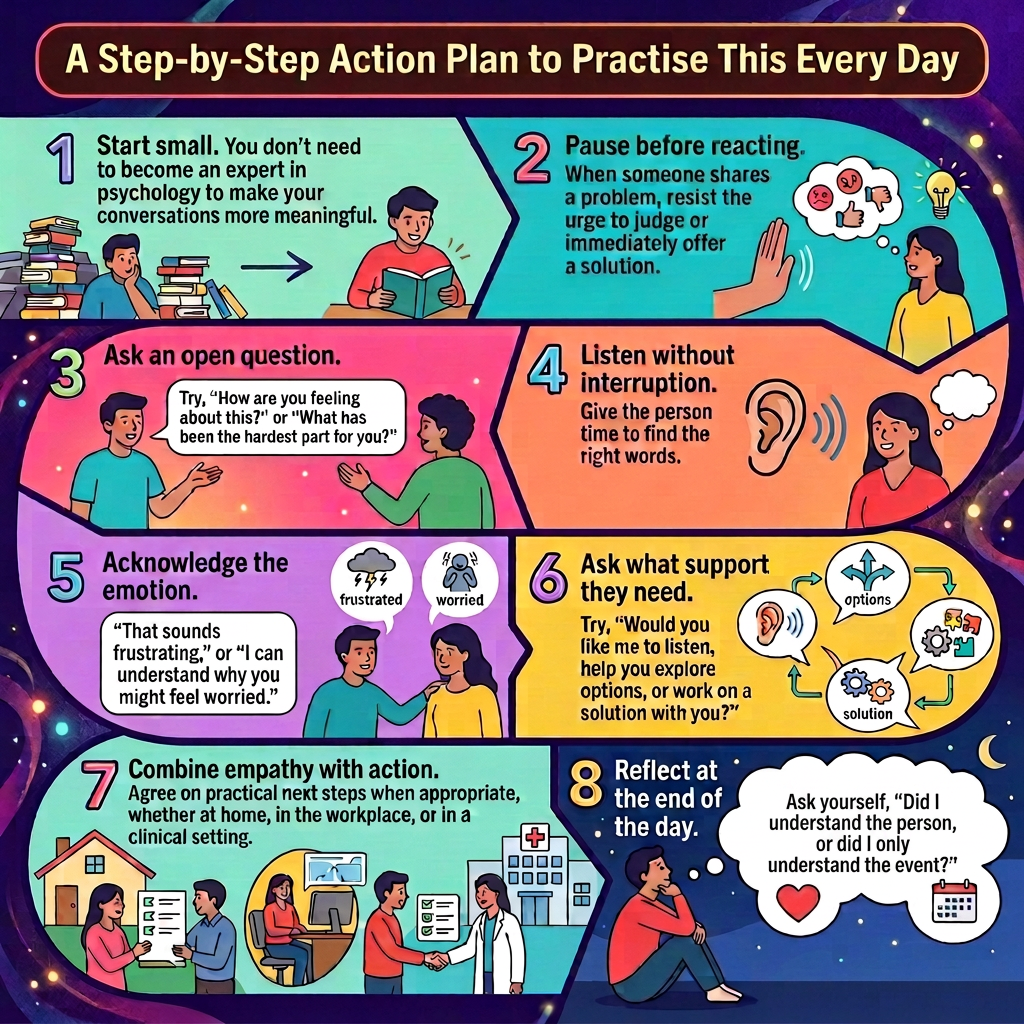
Remember, don’t force people to share feelings. Sometimes, respecting their silence is also a form of empathy.

The earlier we learn this lesson, the more opportunities we have to practise it. Small conversations can shape lasting habits, and lasting habits can shape the kind of person and leader we become.
What do you think? Have you experienced a moment when someone asking how you felt made a real difference in your life or work? Please share your thoughts in the comment section below.
If this message reminds you of someone who needs to hear it, please share this article with at least one person who could benefit from its lesson.
And if you haven’t subscribed yet, please enter your email in the Subscription Box at the bottom of the page to receive future articles and insights.
Frequently Asked Questions (FAQs)
1. Is asking about feelings better than asking what happened?
Neither question is universally better. Asking what happened establishes the facts, while asking about feelings helps reveal the person’s emotional experience. Using both creates a more complete understanding.
2. How does emotional awareness improve leadership?
It helps leaders listen carefully, recognize concerns, address conflict constructively, and create an environment where employees feel safer raising problems.
3. Can empathy improve business performance?
Empathy can support customer understanding, teamwork, employee engagement, and communication. However, business performance also depends on strategy, execution, resources, and market conditions.
4. Why is empathy important for doctors?
It can help doctors understand patients’ concerns, communicate treatment options clearly, and identify barriers to following a treatment plan. It complements rather than replaces clinical expertise.
5. How can I become a better listener?
Pause before responding, ask open-ended questions, avoid interrupting, acknowledge feelings without judgment, and ask whether the person wants advice or simply someone to listen.
Stay tuned!!
Image Disclaimer: Images used in this article are provided for illustrative, educational, and informational purposes only. Any company names, brand names, logos, trademarks, products, services, or other identifiable brand elements appearing in an image are the property of their respective owners. Their inclusion does not imply any endorsement, sponsorship, partnership, affiliation, or association with the author, publisher, or this website. The images are intended solely to help explain or visualize the concepts discussed in the article.





Leave a Reply