

Imagine two people doing the same job. One keeps checking the clock, waiting for the day to end. The other becomes so absorbed in the work that they hardly notice time passing.
Both are working, but their experiences are completely different.

Have you ever wondered why some people seem to enjoy what they do, even when their work demands tremendous effort? The secret often lies in the connection between their natural interests, personal strengths, and the work they choose to pursue.
The real goal is to find work that feels like play to you but creates genuine value for others. Understanding this principle early can transform your personal life, professional journey, leadership style, entrepreneurial decisions, and even your clinical practice as a doctor.
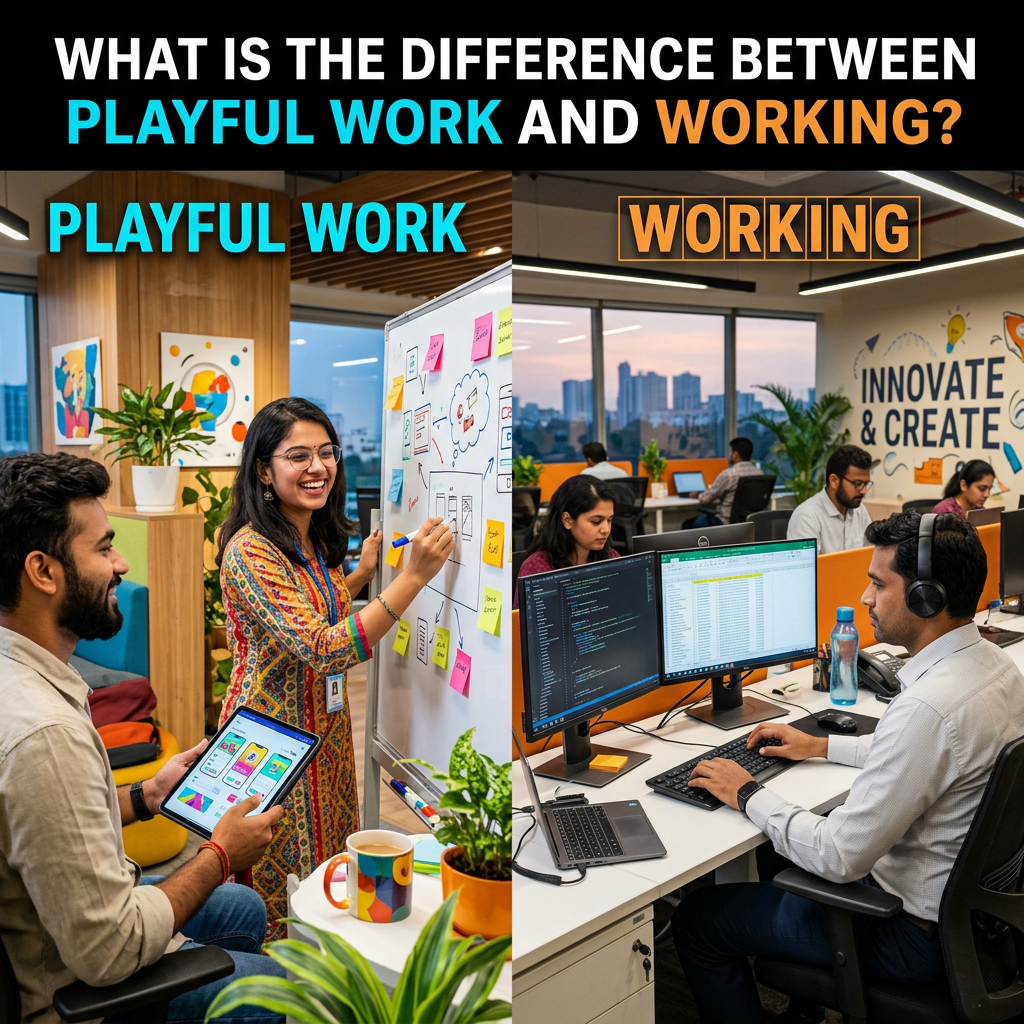

The difference is not necessarily the amount of effort. It is the feeling behind the effort.
| When work feels like a burden | When work feels like play |
|---|---|
| You focus mainly on finishing. | You enjoy learning and improving. |
| Mistakes feel threatening. | Mistakes offer opportunities to learn. |
| Motivation depends heavily on rewards. | Curiosity and purpose also motivate you. |
| Challenges feel like obstacles. | Challenges become interesting problems. |
Of course, play does not mean avoiding discipline. A surgeon must practise carefully, an entrepreneur must manage finances, and a professional must meet commitments.
The real difference is that your effort becomes connected to something meaningful.
The Impact of Play on Personal Life

A joyful multigenerational family gathers indoors for board games and creative play.

The split scene contrasts parental exhaustion with engaged discovery as a father responds to his daughter’s rocket question.
The circumstances remain the same, but his experience changes.
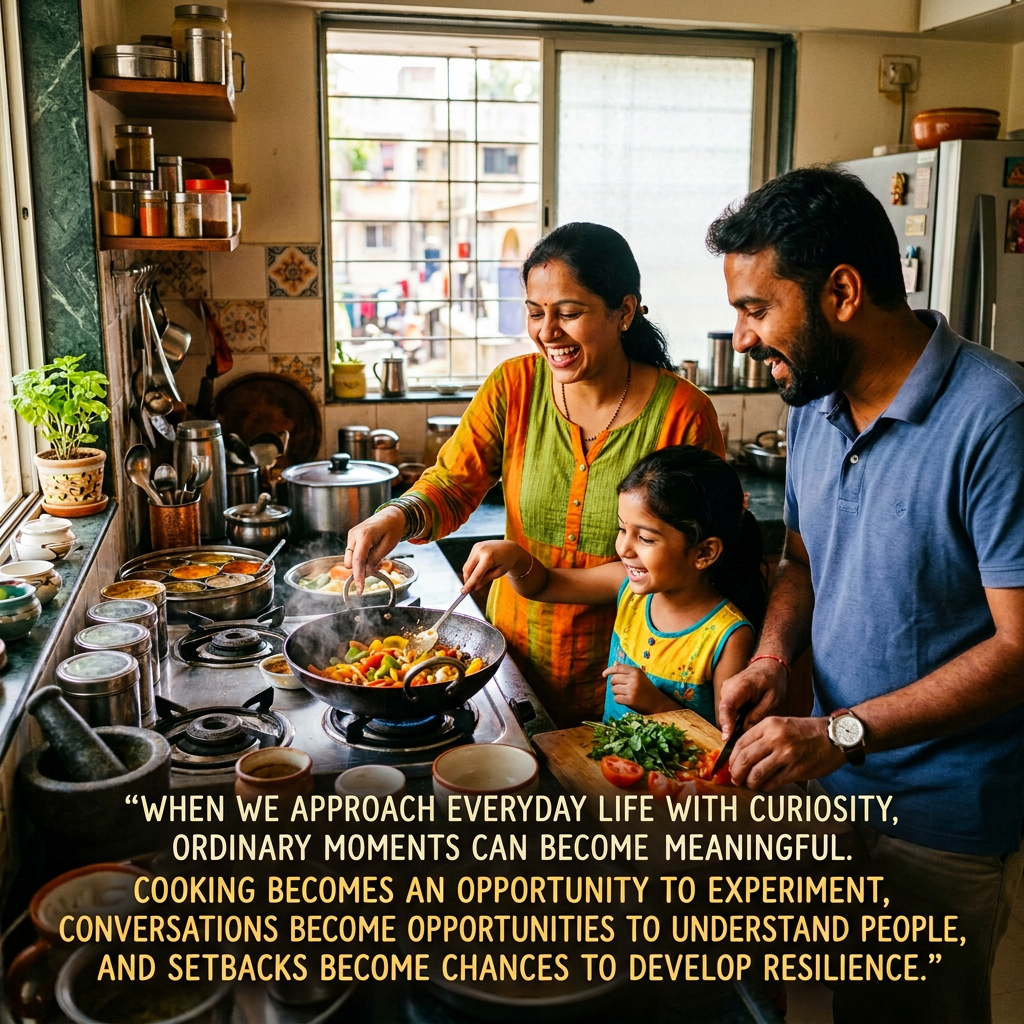
A family cooks together in a lively kitchen, turning an everyday meal into a meaningful moment of connection and discovery.

Four family members share a thoughtful conversation in a sunlit public garden.
The impact on personal life: Greater engagement, stronger relationships, improved self-awareness, and a more meaningful use of time.
Ask yourself: What do I enjoy doing so much that I would willingly spend time improving at it? Your answer might reveal an important clue about the life you want to build.
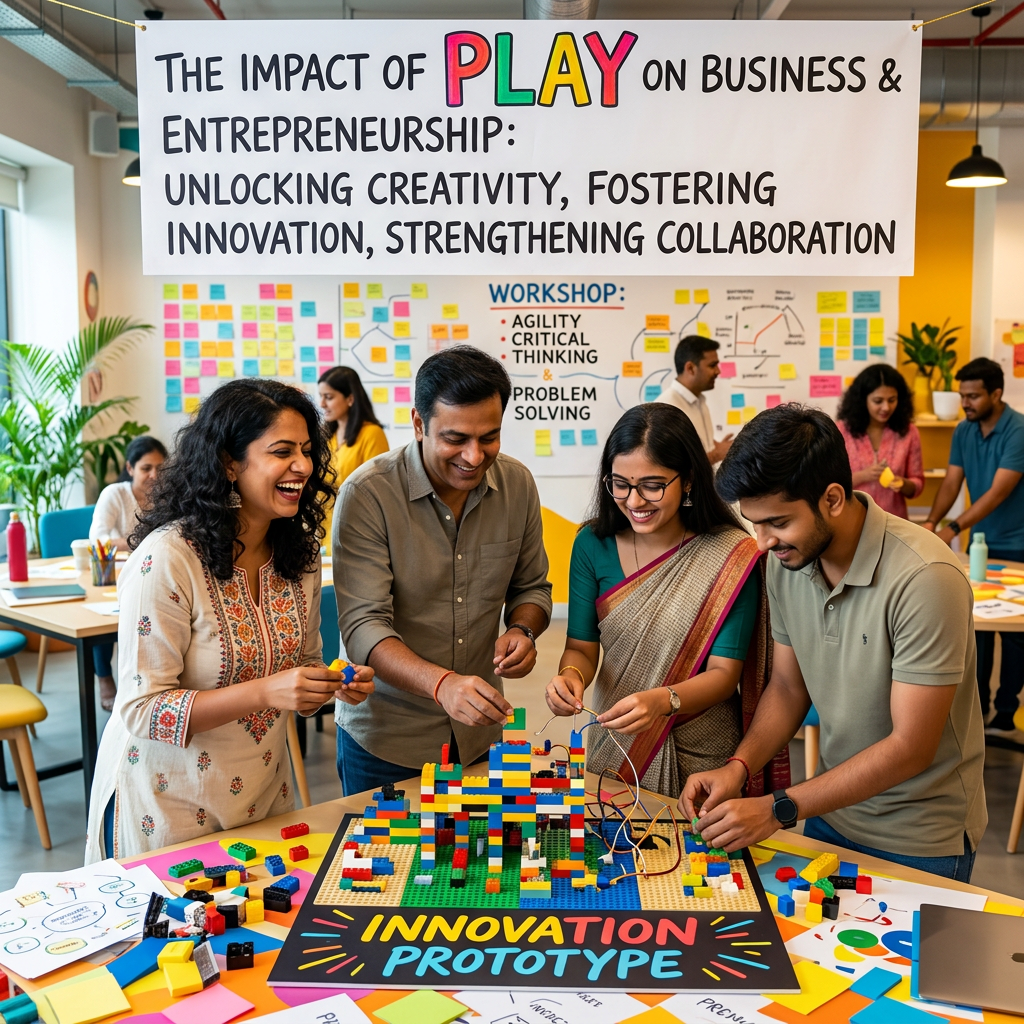
Participants collaborate on a colorful prototype during a play-based business innovation workshop.
Imagine two entrepreneurs launching a business.
The first constantly asks, “How can I defeat my competitors?” The second asks, “What problem are my customers struggling with, and how can I solve it better?”
Both may be ambitious, but the second question encourages curiosity, experimentation, and a deeper understanding of customers.
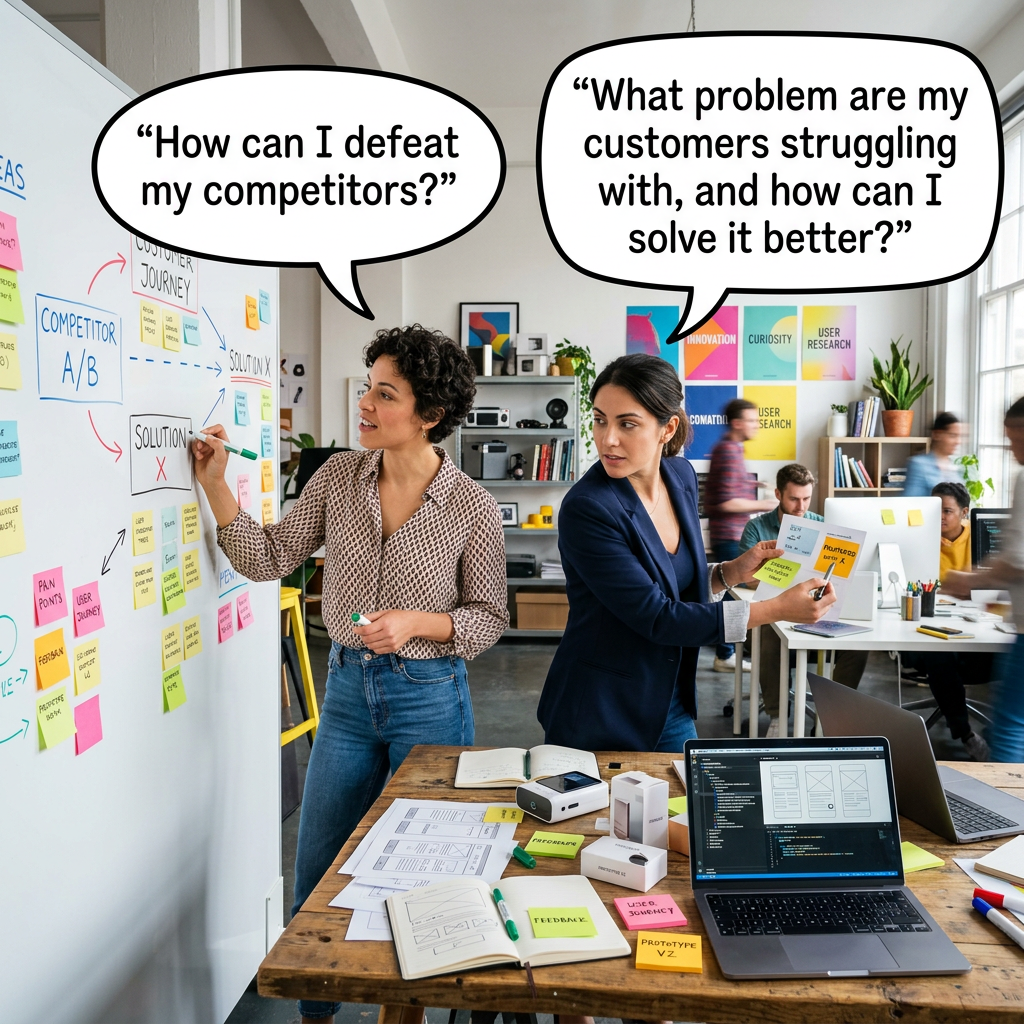
An entrepreneur who genuinely enjoys solving problems may find it easier to explore new ideas, listen to feedback, and learn from unsuccessful experiments. Instead of treating every setback as a personal defeat, they can investigate what went wrong and improve their next attempt.
The same principle applies to employees and business leaders. When people understand their strengths and have opportunities to use them, they may become more engaged and contribute more creatively.
However, enjoyment alone cannot build a successful business. Financial discipline, customer satisfaction, ethical decisions, and consistent execution remain essential.
The business impact: Curiosity generates ideas, experimentation tests them, and disciplined execution turns promising ideas into valuable products and services.
The question for every entrepreneur is simple: Which customer problem would I enjoy solving even when the solution becomes difficult?
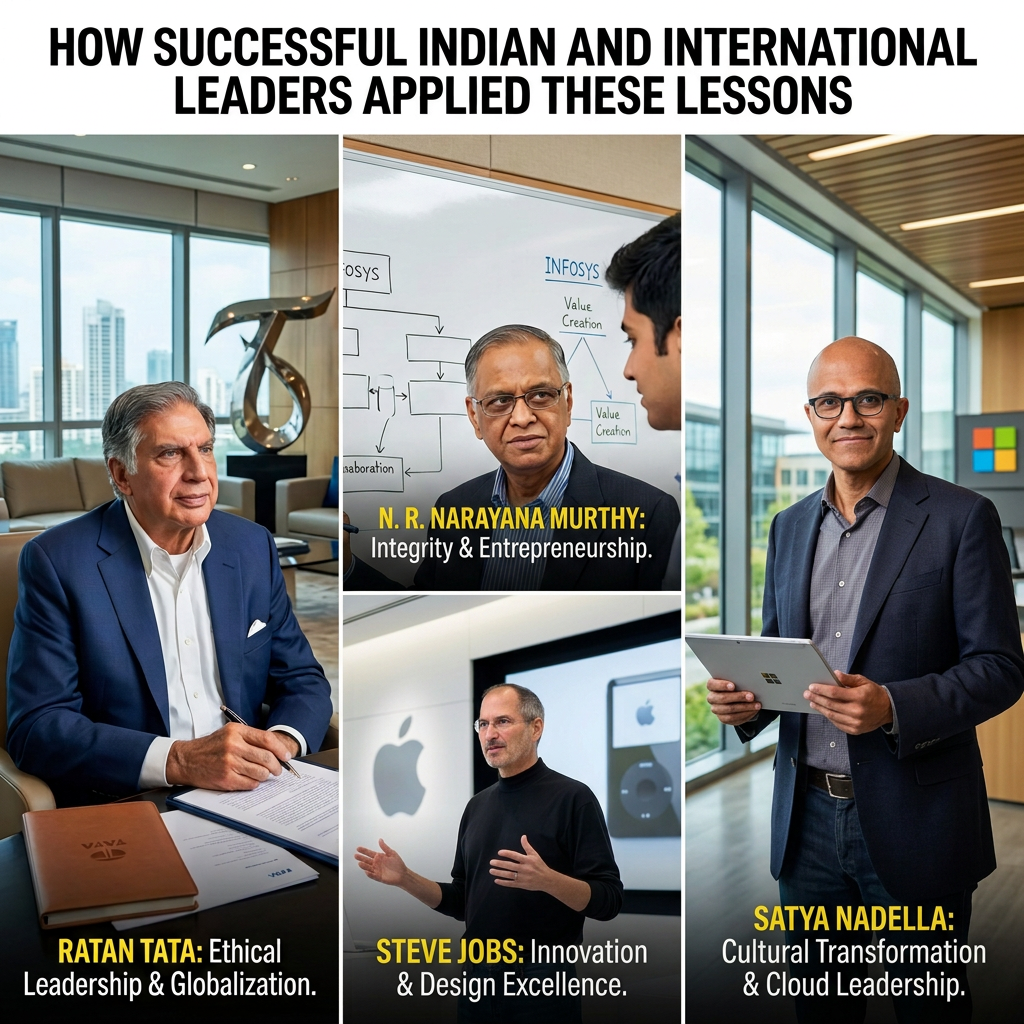
A visual comparison of Ratan Tata, N. R. Narayana Murthy, and Steve Jobs and the leadership principles associated with each.
Great leaders follow different paths, but many demonstrate how curiosity, purpose, and disciplined work can influence their impact.
Ratan Tata — India
Ratan Tata championed innovation and long-term thinking during his leadership of the Tata Group. The Tata Nano project demonstrated an ambitious attempt to rethink affordable personal transportation for Indian families. Although the project faced commercial challenges, it illustrates the importance of asking whether an existing product can be redesigned around a different customer need.

Narayana Murthy — India
As a co-founder of Infosys, Narayana Murthy helped build a technology company with global ambitions. His journey illustrates how professional standards, long-term vision, and disciplined execution can turn an idea into an enduring organization.

Steve Jobs — International
Steve Jobs brought together technology, design, and user experience at Apple. His work demonstrated the value of questioning existing assumptions and exploring how products could become more intuitive and useful. The lesson is to remain curious about what people genuinely need rather than simply copying what already exists.

Satya Nadella — International
At Microsoft, Satya Nadella emphasized learning, collaboration, and a growth mindset. His leadership illustrates how organizations can benefit when people remain willing to learn rather than simply defend familiar ways of working.
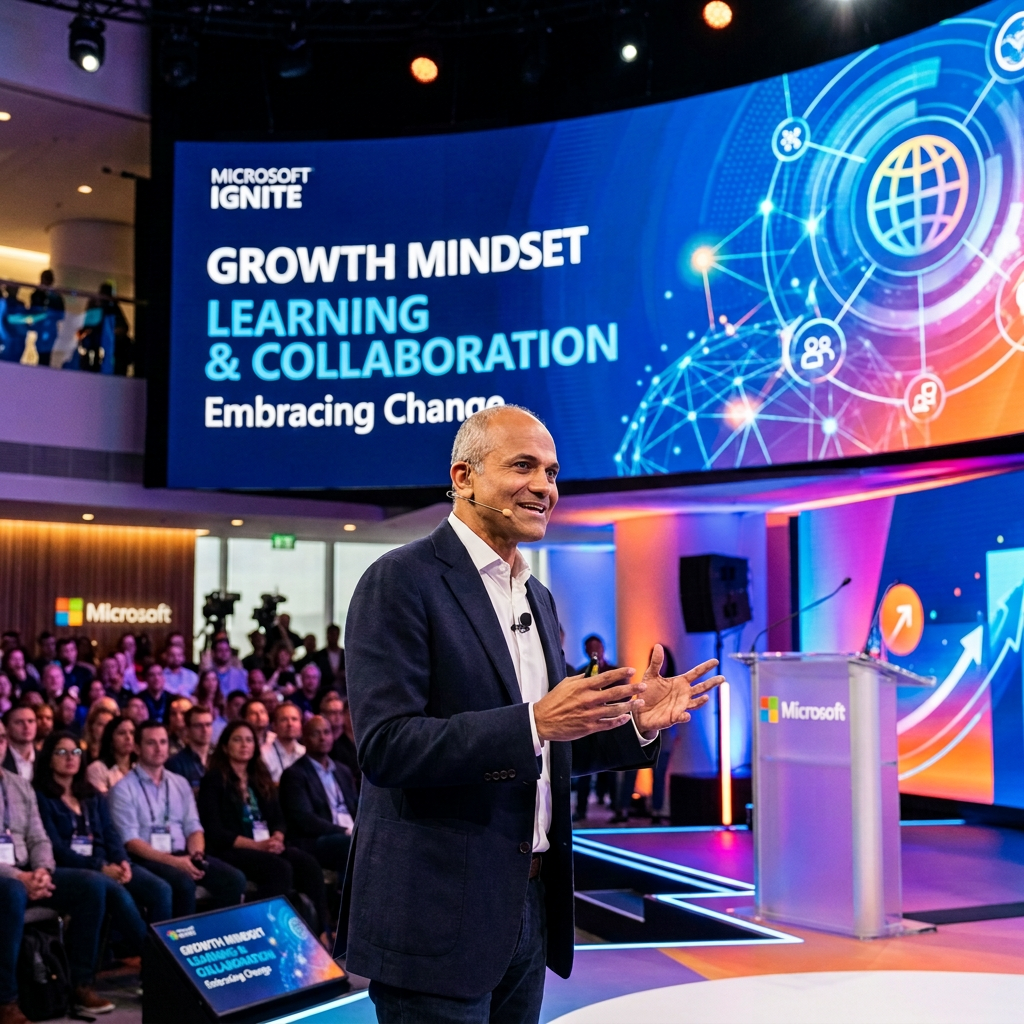
These leaders did not succeed through enjoyment alone. Their experiences remind us that curiosity becomes powerful when combined with perseverance, sound judgment, and the willingness to learn from reality.

A mentor guides professionals through career planning, networking, and skill development in a collaborative office setting.
Imagine discovering at the age of 20 that you genuinely enjoy explaining difficult ideas to others. That interest might lead you towards teaching, consulting, management, healthcare education, or leadership.

Someone who loves analysing problems might explore engineering, research, medicine, or entrepreneurship. A person who enjoys understanding people might find fulfilment in counselling, human resources, patient care, or team leadership.

Recognizing your strengths early does not mean choosing a career based only on passion. You must also consider your abilities, financial needs, opportunities, and the value you can offer society.

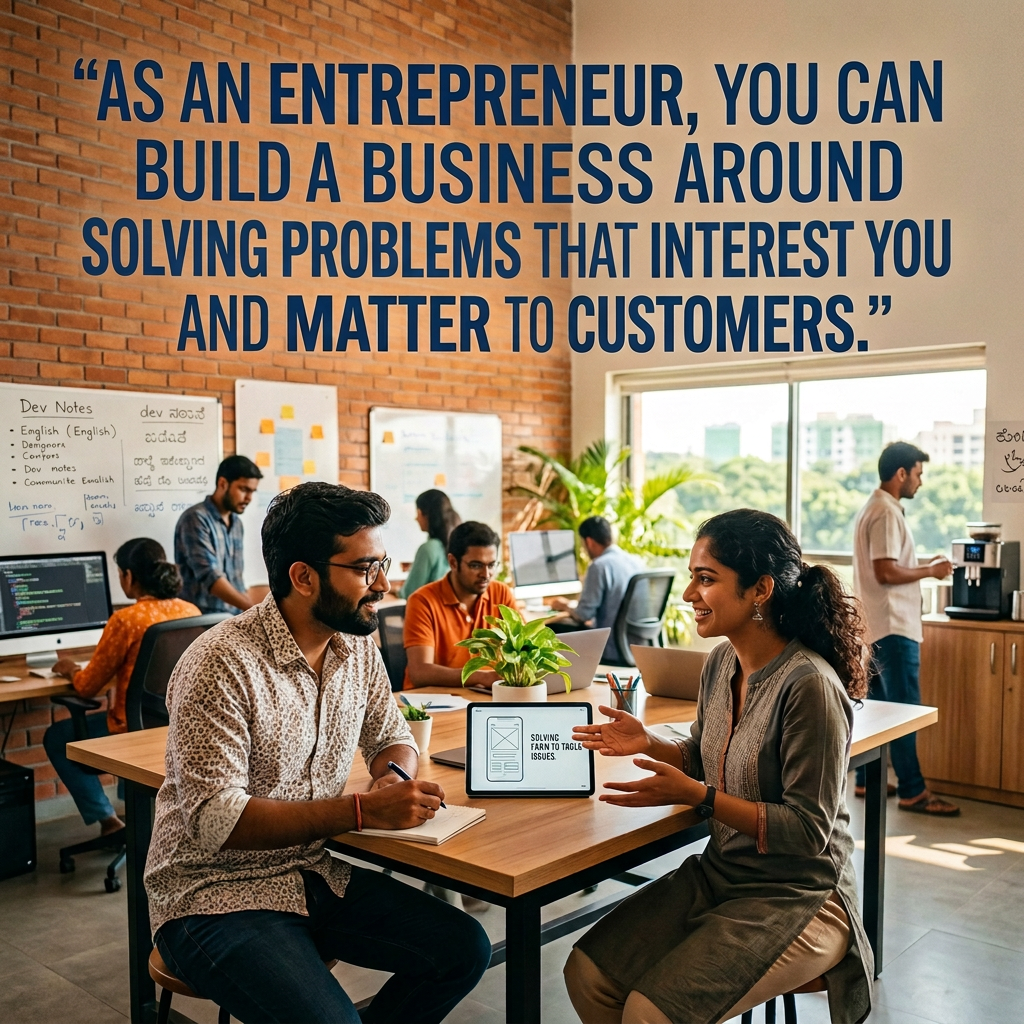
As a doctor, you might discover that your greatest professional engagement comes from diagnostic reasoning, patient communication, research, or clinical procedures.


The earlier you understand your natural strengths, the more intentionally you can direct your time and energy.

Colleagues discuss a colorful five-step poster encouraging fun, teamwork, and playful breaks at work.
You do not need to resign from your job or start a business tomorrow. Begin with small experiments.
Step 1: Observe your energy. For one week, notice which activities make you curious, focused, and eager to improve. Write down the tasks you enjoy and those that consistently drain you.
Step 2: Identify your strengths. Ask yourself what people regularly seek your help with. Are you good at explaining, organizing, creating, analysing, treating, or solving problems?
Step 3: Connect your interests to real needs. Look for ways to use your strengths to solve meaningful problems for customers, colleagues, patients, or your community.
Step 4: Experiment on a small scale. Start a side project, volunteer, learn a skill, explore a different responsibility, or test a business idea. Treat the experience as an experiment rather than an irreversible decision.
Step 5: Combine enjoyment with discipline. Set clear goals, establish routines, measure progress, and review what you learn. Enjoyment can help you begin, but consistent effort helps you improve.
At the end of each week, ask yourself three questions: What did I enjoy? Where did I create value? What would I like to improve next week?
Repeat this process. Small discoveries can gradually influence your daily habits, career decisions, leadership style, and long-term direction.
Conclusion: Build a Life You Are Excited to Participate In

Two friends build a rooftop garden and prepare bread together against a sunny city skyline.
The secret is not finding a job where you never feel tired. It is finding work that makes the effort feel worthwhile.
When curiosity meets purpose, ordinary tasks can become opportunities to learn, improve, and contribute. In personal life, this mindset can deepen relationships and strengthen resilience. In business, it can encourage innovation, customer understanding, and thoughtful leadership. In medicine, it can support lifelong learning and attentive patient care.

Start by discovering what naturally engages you. Connect it to something useful in the world, experiment with small steps, and build the discipline needed to turn your interests into meaningful contributions.
You do not have to wait for the perfect job or the perfect moment. Begin with the work in front of you and explore how you can approach it differently.
Now, over to you!
- What activity feels like play to you but looks like hard work to others? Please share your experience in the comment section below.
- If you know even one individual who needs this understanding, please share this article with them. A single idea, discovered at the right time, can influence the direction of a person’s life.
- If you haven’t subscribed yet, please enter your email address in the Subscription Box at the bottom of the page so you don’t miss future articles.
Stay tuned!!
Image Disclaimer: Images used in this article are provided for illustrative, educational, and informational purposes only. Any company names, brand names, logos, trademarks, products, services, or other identifiable brand elements appearing in an image are the property of their respective owners. Their inclusion does not imply any endorsement, sponsorship, partnership, affiliation, or association with the author, publisher, or this website. The images are intended solely to help explain or visualize the concepts discussed in the article.








Leave a Reply