

Every generation has its own personality, and Gen Z is no different. Born into a world of smartphones, social media, rapid technological change and instant communication, Gen Z often thinks, works and communicates differently from previous generations.
For parents, friends, managers and entrepreneurs, these differences can sometimes feel frustrating. But what if some of the qualities that appear challenging are actually hidden strengths?
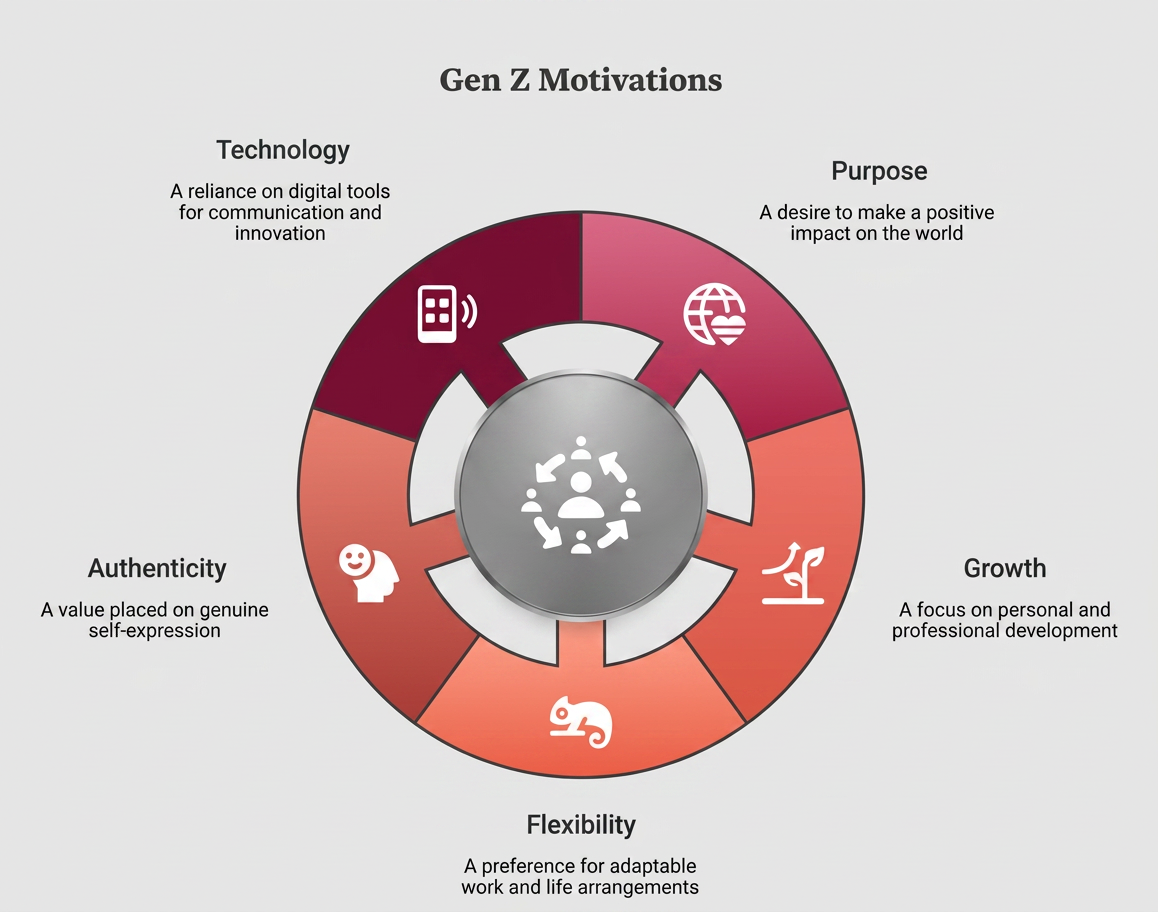
A useful insight comes from Deloitte’s 2024 Gen Z and Millennial Survey, which found that 86% of Gen Z respondents considered having a sense of purpose important to job satisfaction. That tells us something important: understanding what drives Gen Z may be more effective than simply telling them what to do.
Why Understanding Gen Z Matters Today
Gen Z is becoming an important part of the workforce, customer base and entrepreneurial ecosystem. If you are leading a young sales team, you may notice that traditional instructions such as “just do it because I said so” don’t always work.
Gen Z often asks why, seeks meaningful feedback and expects some flexibility in how work gets done. That doesn’t necessarily mean they lack discipline. They may simply want to understand the purpose behind the discipline.
Think of it like giving someone a map instead of merely telling them to walk. Once they understand the destination, they may find their own route to get there.
Gen Z Is More Than a “Difficult” Generation
It is easy to label a young employee as impatient, distracted or overly sensitive. Yet every generation has faced similar criticism when it was young.
A Gen Z employee questioning an outdated sales process may actually be demonstrating critical thinking. Someone asking for regular feedback may genuinely want to improve. Someone uncomfortable with rigid hierarchy may respond extremely well to a leader who treats them with respect.
The goal isn’t to “control” Gen Z. It is to understand what motivates them and channel it productively.
The Positive Facets of Gen Z
Digital Confidence and Fast Learning
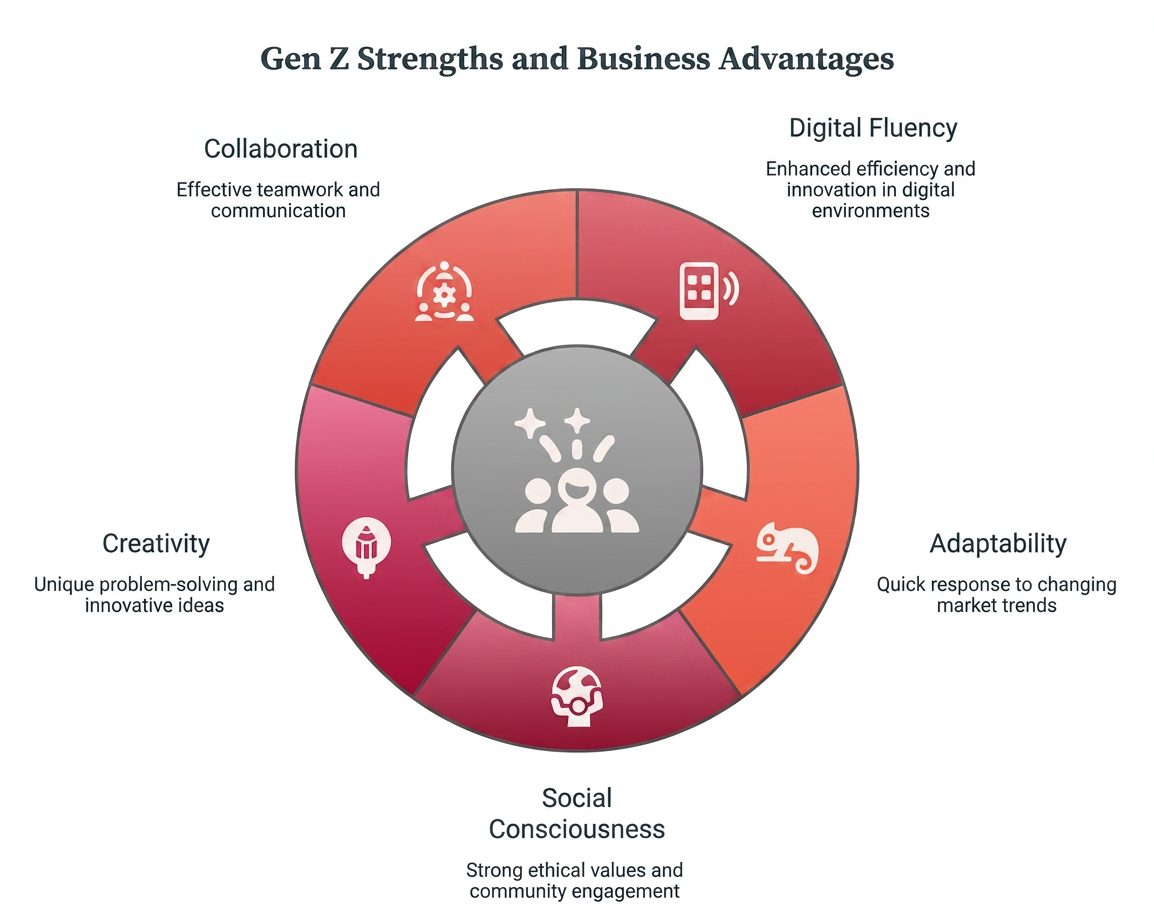
Gen Z grew up surrounded by technology. They are often comfortable experimenting with apps, platforms, content formats and online communication.
In business, this can become a tremendous advantage. A young salesperson may discover creative ways to use LinkedIn, Instagram, WhatsApp or CRM technology to reach prospects.
Instead of dismissing the approach because it differs from traditional cold calling, an experienced leader can ask, “Can you show me how this works?”
That simple question can turn a generational difference into a business innovation opportunity.
Purpose, Authenticity and Inclusion
Gen Z also tends to place importance on authenticity, personal values and social awareness. Many don’t want to work simply for a salary; they want to understand whether the organisation and its work have meaning.
This can be valuable in sales. Customers can often sense when someone is simply pushing a product. A salesperson who genuinely believes in the value being offered can create a much more natural conversation.
Decoding the Psychology of Gen Z
Why They Value Flexibility and Feedback
Gen Z developed in an environment of rapid information, constant communication and instant digital feedback. Consequently, long periods of silence from a manager may feel less like independence and more like uncertainty.
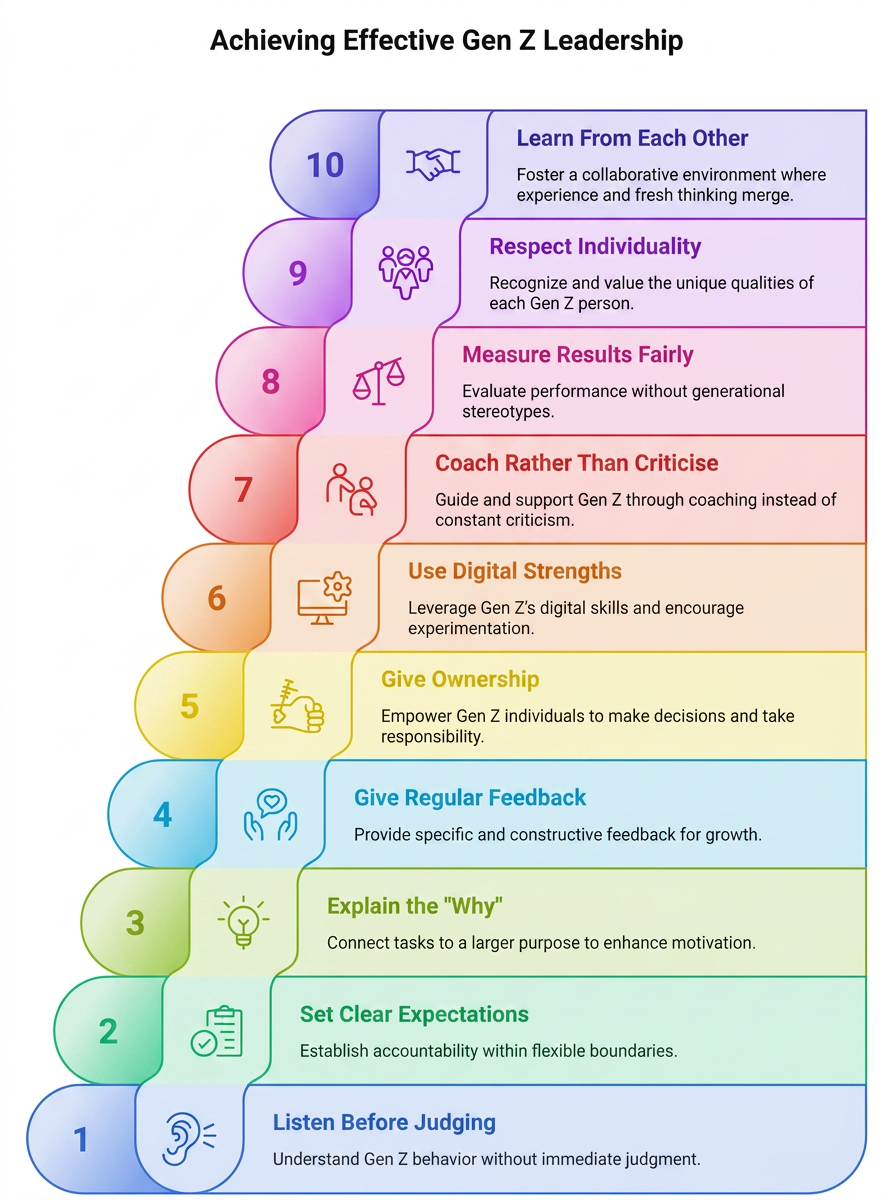
This doesn’t mean leaders should constantly monitor them. Clear expectations combined with frequent, concise feedback usually creates a healthier balance.
Instead of saying, “Your performance isn’t good,” try: “Your customer conversations are strong, but your conversion drops during objections. Let’s practise that tomorrow.”
That’s specific, actionable and respectful.
Gen Z in Everyday Life
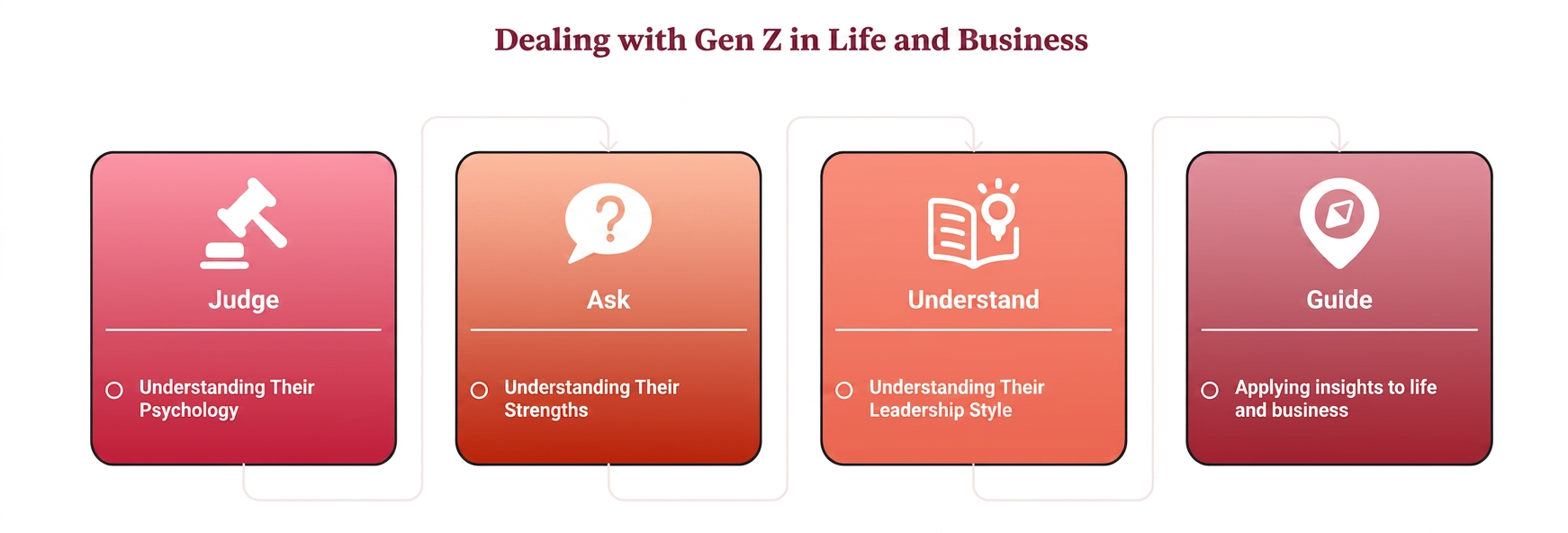
Understanding Gen Z can also improve family and personal relationships. A parent may prefer a phone call while their Gen Z child prefers messaging. An older professional may consider frequent career changes disloyal, while a young person may see them as exploration and growth.
Example: When Gen Z Attitude Affects Relationships
Imagine a young family member rejecting traditional advice about career or marriage. The immediate reaction might be, “You don’t listen to anyone.”
A better response is: “Help me understand how you’re looking at this.”
You don’t have to agree with every decision. Moving from judgement to curiosity simply gives you a better opportunity to influence positively.
Gen Z in Business and Sales
Sales managers sometimes struggle when young employees dislike aggressive targets, repetitive scripts or traditional management styles. The answer isn’t necessarily to lower standards. Instead, change the method while keeping the expectation.
A Gen Z salesperson may dislike making 50 traditional cold calls but excel at creating short-form content and starting conversations online.
Test the alternative. Give them a measurable target, track the results and coach where necessary.
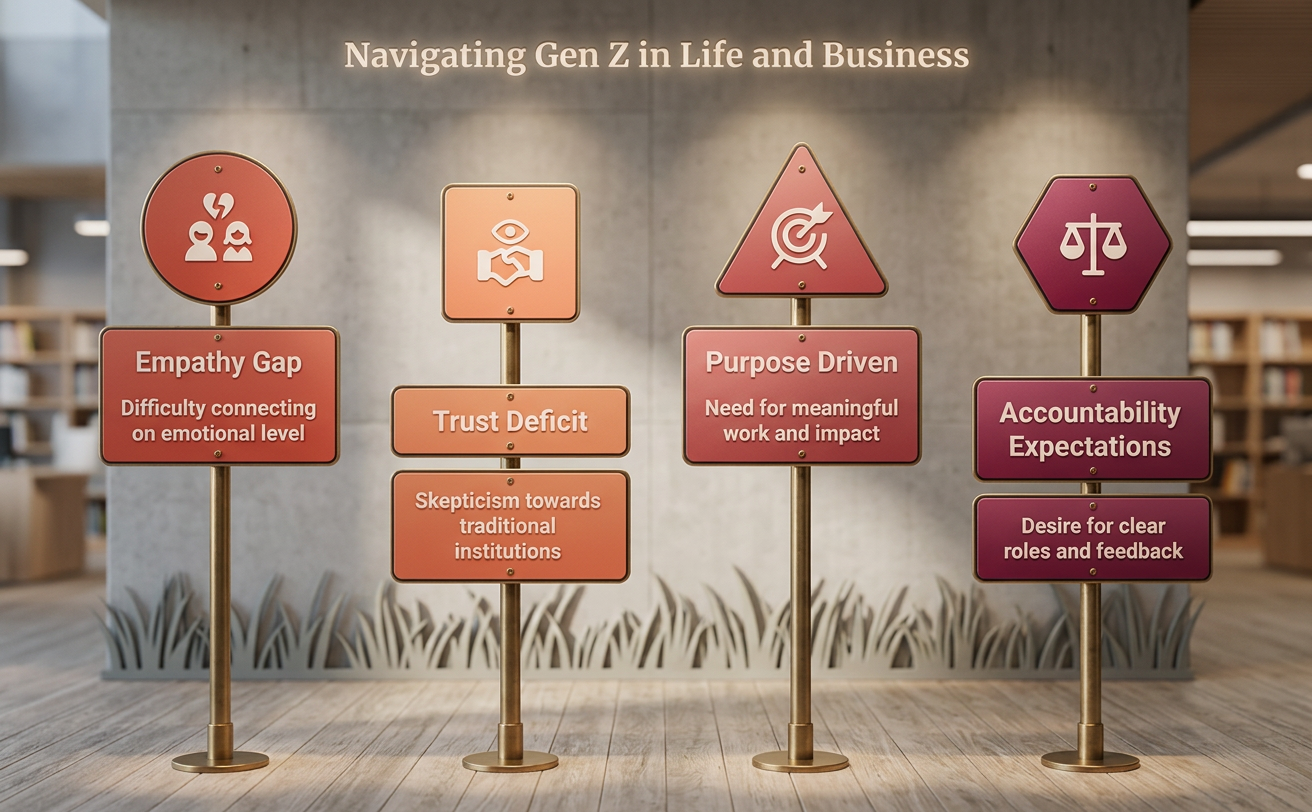
Freedom without accountability becomes chaos. Accountability without freedom becomes frustration. Good leadership combines both.
How Leaders Can Work Better with Gen Z
A strong leader doesn’t need to become Gen Z. The leader needs to become better at leading different personalities.
Set clear expectations. Explain the “why.” Give timely feedback. Recognise good work and address poor performance honestly and privately.
Most importantly, don’t confuse confidence with arrogance or quietness with lack of ambition. Lead the individual, not the stereotype.
How Entrepreneurs Can Unlock Gen Z Potential
Entrepreneurs can use Gen Z as a source of ideas, creativity and market insight. They understand digital behaviour that older business owners may not naturally see.
Ask questions such as:
“How would you market this to someone your age?”
“What would make you ignore this advertisement?”
Their answers may challenge your assumptions—and that’s exactly where innovation can begin.
What Successful Leaders Can Teach Us
Leaders such as Satya Nadella have demonstrated the importance of empathy, curiosity and a growth mindset. Indian business leaders such as Ratan Tata have also been widely associated with humility, trust and respect for people.
Their lesson isn’t a special formula for managing Gen Z. It is something more timeless: people tend to perform better when they feel trusted, respected and connected to meaningful goals.
Step-by-Step Action Plan for Better Gen Z Relationships
Conclusion
Dealing with Gen Z isn’t really about learning how to “handle” a difficult generation. It is about understanding people who grew up in a different environment.
Gen Z can be impatient, but they can also be remarkably fast learners. They may question authority, but that questioning can produce innovation. They may expect flexibility, yet they can accept responsibility when expectations are clear.
The winning formula is respect without weakness, flexibility without losing accountability, empathy without avoiding difficult conversations, and freedom supported by measurable outcomes.
If you’re managing a young sales team, don’t ask only, “How do I make them work my way?” Ask, “How can I bring out their best while achieving the business goal?”
That question could transform both your workplace and your relationships.
Have you experienced a situation where a Gen Z person’s attitude changed the outcome in your family, workplace or business? Did you see it as a challenge—or eventually discover it was a strength?
Please share your experience in the comment section below. If you know someone who needs a better understanding of Gen Z, please share this article with at least one person who could benefit from it.
And if you haven’t subscribed yet, please stay connected by subscribing through the Email Subscription Box at the bottom of the page.
FAQs
1. Why does Gen Z seem different at work?
Gen Z grew up with rapid technological change and constant digital communication. This can influence expectations around feedback, flexibility and career development. However, individuals differ, so generational labels should never replace understanding the person.
2. How should managers motivate Gen Z?
Combine meaningful goals with clear expectations, regular feedback, recognition and appropriate autonomy. Connect freedom with accountability.
3. Is Gen Z less loyal to employers?
Not necessarily. Job changes can reflect career development, workplace culture, compensation or a search for growth. Employers should examine whether people have opportunities to learn and contribute.
4. How can Gen Z improve sales performance?
Give young salespeople measurable targets while allowing them to experiment with digital tools, social selling and modern communication. Coach them in objection handling, negotiation and relationship-building.
5. What’s the biggest mistake leaders make with Gen Z?
Treating an entire generation as though everyone has the same personality. Lead the individual, not the stereotype.
Every generation has its own personality, and Gen Z is no different. Born into a world of smartphones, social media, rapid technological change and instant communication, Gen Z often thinks, works and communicates differently from previous generations. For a parent, friend, manager or entrepreneur, this difference can sometimes feel frustrating. But what if the very qualities that appear challenging are actually hidden strengths?
Stay tuned!!





Leave a Reply