

Hey, dear reader!
We live in a fast-paced world where it’s easy to get caught up in to-do lists, KPIs, and deadlines. But let’s pause for a moment and ask: Are we building real connections—or are we just exchanging favors?
In life and business, the difference between being relationship-driven and transaction-focused can redefine your journey. This post dives into that exact difference—with stories, examples, and real takeaways you can apply right away.
Let’s begin 🌱
What is Transactional Behaviour?
Think of transactional behaviour as a mental checklist: “What can I get out of this?”
Real-life example:
Years ago, I met a guy at a networking event. Super friendly… until I told him I wasn’t hiring. Poof—he disappeared. That’s a textbook transactional interaction: surface-level, purpose-driven, emotionally hollow.
Common Signs:
- They show up only when they need something.
- Their tone changes when the “deal” ends.
- They forget your name after the job is done.
This isn’t necessarily bad. In business, short-term deals require transactional efficiency. But when life turns into a series of transactions, it can feel empty.
What is Relationship-Based Behaviour?
Now imagine a friend who checks in during your tough times, celebrates your small wins, and remembers your dog’s name.
That’s relationship-based behaviour—rooted in empathy, consistency, and trust.
Anecdote from My Life:
I once worked with a client who, after our project ended, kept sending referrals my way for two years. We still send each other Diwali wishes. No agenda. Just goodwill. That’s what builds empires—emotional equity.
Famous Indian Leaders Who Prioritized Relationships Over Transactions
1. Ratan Tata
He didn’t just build Tata into a household brand—he built trust. Remember when he visited victims of the 26/11 Mumbai attacks personally? No PR stunt. Just humanity.
“If you want to walk fast, walk alone. But if you want to walk far, walk together.” – Ratan Tata
2. Narayana Murthy
Infosys wasn’t just a tech company—it was a movement. Employees were treated like family, customers like partners. That’s relationship building at scale.
3. Kiran Mazumdar-Shaw
The founder of Biocon constantly emphasizes long-term partnerships with health researchers, not just pharmaceutical sales. She’s a living example of nurturing over negotiating.
Transactional vs Relationship – A Clear Comparison
| Aspect | Transactional | Relationship |
|---|---|---|
| Focus | Task-oriented | People-oriented |
| Goal | Immediate benefit | Long-term value |
| Emotional Investment | Low | High |
| Trust Factor | Low | Deep-rooted |
| Common In | Sales pitches, cold calls | Friendships, mentorships |
| Motivation | What can I get? | How can we grow? |
From Culture to Culture – Different Shades
In India, relationships often precede business. Trust is built over chai and conversation, not just contracts.
In contrast, Western cultures value efficiency more, leading to more transactional dynamics. Neither is wrong—context is key. The beauty lies in blending both wisely.
How to Shift from Transactional to Relationship Thinking – Step-by-Step Action Plan
Want to cultivate this skill in life and business? Try this actionable roadmap:
1. Ask Authentic Questions
Not just “What do you do?”—ask “What’s something you’re passionate about lately?”
2. Share Before You Ask
Offer help, insights, or connections. Give without keeping score.
3. Remember the Small Things
Birthdays, kids’ names, favorite books. Noticed and remembered = deeply valued.
4. Be Present
Put the phone down. Listen with intention. A warm “How are you really?” goes a long way.
5. Nurture the Relationship
Send a check-in message months after the project ends. Show that it wasn’t “just business.”
6. Avoid Conditional Kindness
Don’t help only those who can help you back. Kindness isn’t a currency—it’s character.
More Examples to Learn From
Business Scenario:
- Transactional: A consultant helps a client meet KPIs and disappears after payment.
- Relational: A consultant stays in touch, sends resources, and helps again—unasked.
Friendship Scenario:
- Transactional: Only calls when they need something.
- Relational: Sends you memes to cheer you up. Sends food when you’re sick.
More Powerful Quotes to Reflect On
“The currency of real networking is not greed but generosity.” – Keith Ferrazzi
“You can make more friends in two months by becoming interested in people than in two years by trying to get people interested in you.” – Dale Carnegie
Summary: Key Takeaways
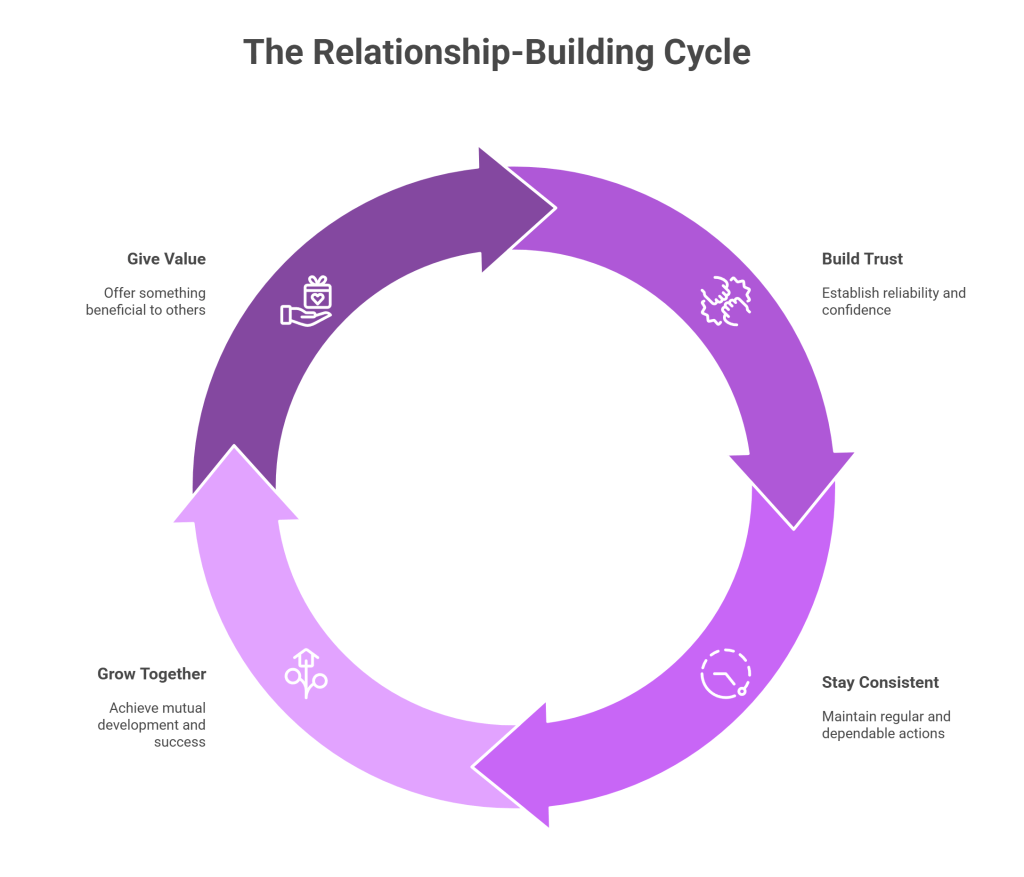
- Transactional = Quick wins. Relationship = Long-term success.
- Trust, empathy, and consistency build deeper bonds.
- In both life and business, people remember how you made them feel.
- Indian leaders show us that relationship-first thinking leads to legacy.
Your Turn – Let’s Talk! 💬
- Have you ever felt “used” in a transactional interaction?
- Who in your life exemplifies genuine relationship-building?
- What’s one small habit you’ll change after reading this?
👇Drop your thoughts in the comments below—I read every one of them and love hearing from you!
🌟 Enjoyed this post? Share it with a friend, on WhatsApp, Facebook, Twitter, Threads, or on LinkedIn. You just help someone shift their mindset today.
🔔 Not subscribed yet? Hit the Subscription Box at the bottom of this page so you never miss these soul-deep posts. We’re building something real here.
Stay Tuned!







Leave a Reply