

Introduction
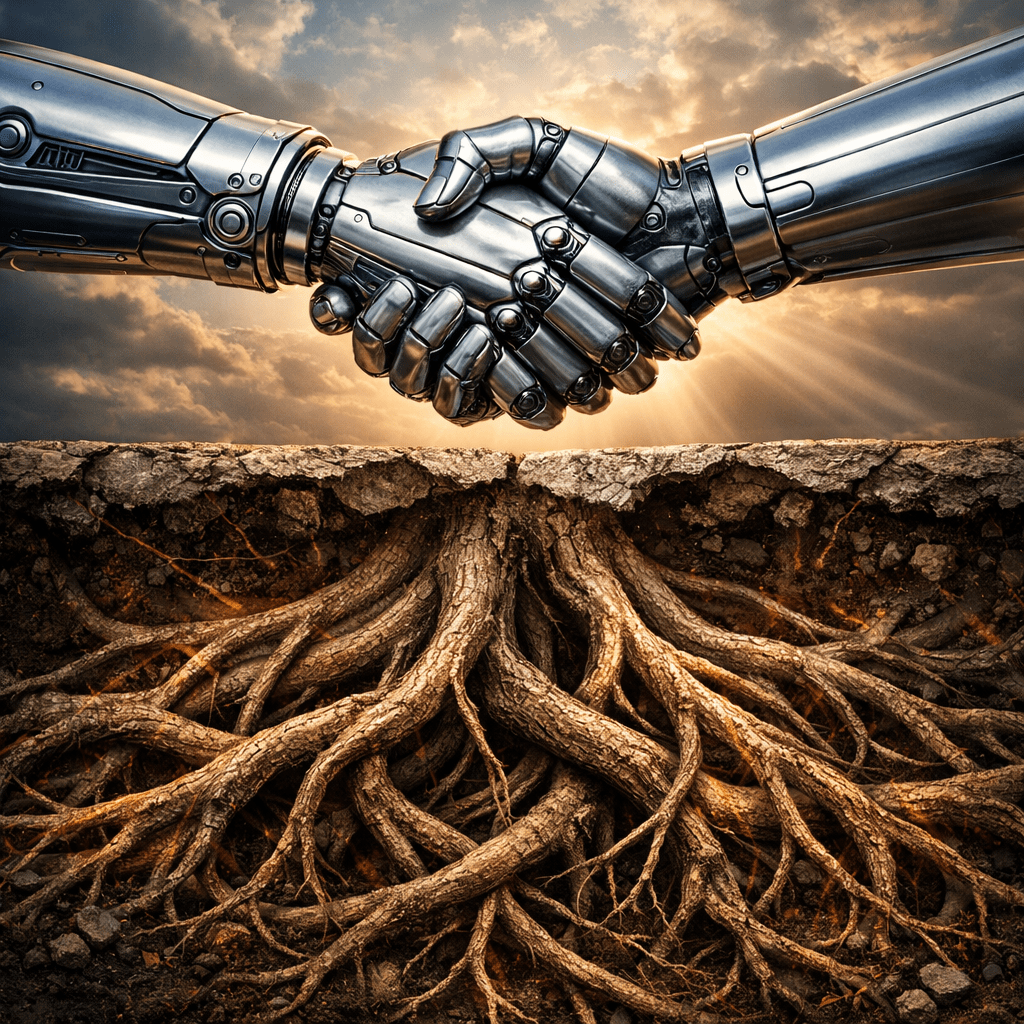
The dawn of the AI age is here, and it’s reshaping the way we live and work. But adapting to this shift requires more than just technological know-how—it calls for a change in mindset, skills, and habits. Being a “future human” is about thriving in a world where AI is not a competitor but a collaborator.
As renowned entrepreneur Elon Musk says, “AI will bring amazing societal changes. Our adaptation will define its impact on us.” Whether it’s navigating life’s challenges or building a business empire, AI is the key to staying ahead.
The AI Revolution and Its Impact
What Is AI and Why It Matters
Artificial Intelligence (AI) refers to computer systems designed to mimic human intelligence. They can process information, learn from data, and make decisions. Think of self-driving cars, Netflix recommendations, or AI-powered chatbots like ChatGPT—all are real-world applications of AI.
Why does this matter? AI can process vast amounts of data in seconds. It provides insights and solutions that would take humans weeks or even months. For businesses, this means streamlined operations and deeper customer understanding. For individuals, it means personalized experiences and enhanced efficiency.
How AI Is Reshaping the World
AI’s transformative effects can be seen everywhere:
- In Business:
- Case Study: Reliance Jio
Mukesh Ambani’s Reliance Jio uses AI to optimize its telecom services. From dynamic pricing to predictive maintenance of networks, AI has been a game-changer in delivering seamless connectivity to millions. - Startups Leading the Charge:
Companies like Lenskart utilize AI to suggest eyewear styles by analyzing facial features. AI-driven personalization has made Lenskart a favorite among Indian millennials.
- Case Study: Reliance Jio
- In Education:
- Embibe is a standout example of a company leveraging AI to revolutionize learning. Founded in 2012, Embibe focuses on delivering highly personalized and effective learning experiences, particularly in competitive exam preparation.
- In Healthcare:
- AI helps doctors analyze diagnostic images, predict outbreaks, and personalize treatments. Niramai, an Indian startup, leverages AI for early breast cancer detection, making healthcare more accessible.
- In Everyday Life:
- Voice assistants like Alexa help make life easier. Smart homes powered by IoT offer more connectivity. AI-driven language learning apps like Duolingo enhance learning experiences.
Famous Quotes on Innovation and AI
Leaders worldwide emphasize AI’s potential:
- “The real competitive advantage of AI is not in replacing humans but in augmenting their capabilities.” – Satya Nadella, CEO of Microsoft.
- “AI is the new electricity. It has the power to transform industries and lives alike.” – Andrew Ng, AI pioneer.
Learning from Indian Leaders Riding the AI Wave
Inspiring Success Stories
- Sundar Pichai (Google):
Pichai leads one of the world’s largest tech companies. He has spearheaded projects like Google Assistant. Additionally, he has advanced AI-driven cloud services. - Roshni Nadar Malhotra (HCL Technologies):
Under her leadership, HCL is integrating AI into IT solutions, making global companies more efficient. - Pranav Mistry (Samsung’s R&D):
Mistry’s innovations like SixthSense technology highlight India’s capability to lead AI-driven innovation globally.
Preparing Yourself for the AI Age
Understanding the Skills of the Future
To excel in the AI era, focus on T-shaped skills:
- Broad Knowledge: Understand diverse areas like management, communication, and technology.
- Deep Expertise: Master specific skills like data analysis, programming, or design.
For example, a marketing professional learn AI tools like HubSpot to predict customer behavior and optimize campaigns.
The Power of Lifelong Learning
Platforms like Udemy, Khan Academy, and Coursera make AI education accessible. For beginners, courses like AI for Everyone by Andrew Ng demystify AI concepts.
Leveraging AI as a Common Individual
AI isn’t just for tech-savvy people.
- Example: A small business owner can use AI-powered accounting tools like Zoho Books to automate financial tracking.
- Personal Use: Apps like Grammarly use AI to improve your writing, while AI-driven fitness trackers personalize health routines.
A Step-by-Step Action Plan for Adapting to the AI Era
- Awareness and Understanding of AI:
Educate yourself about what AI is and its applications. A simple Google search or YouTube explainer videos can provide a starting point. - Building Tech Literacy:
Learn basics like coding, data handling, or using AI-driven tools. Platforms like Codeacademy or freeCodeCamp are excellent resources. - Networking in the Tech Space:
Join LinkedIn groups, attend webinars, and connect with professionals leveraging AI. Engaging with tech communities accelerates learning. - Starting Small with AI Tools:
Use beginner-friendly tools like Canva for AI-powered design. Try Trello for project management. Use ChatGPT for content creation. These tools help incorporate AI into daily tasks.
Balancing Humanity with Technology
Retaining Emotional Intelligence
AI excels at data, but it lacks empathy. Skills like teamwork, leadership, and emotional intelligence (EQ) make humans indispensable in an AI-driven world.
Using AI to Amplify, Not Replace, Human Potential
Instead of fearing AI, see it as a partner. For instance, a designer can use AI to automate repetitive tasks, freeing up time for creative brainstorming.
Ethical Concerns in the AI Era
Addressing Privacy Issues
AI uses data to learn, but how secure is that data?
- Example: Facebook’s AI-driven ads raised questions about user data misuse. Responsible use of AI ensures privacy and fairness.
Frameworks for Ethical AI
Organizations like Google and Microsoft have developed ethical AI principles, focusing on transparency, accountability, and inclusivity.
Challenges in the AI Era and How to Overcome Them
- Job Displacement:
Upskilling is key. AI won’t eliminate jobs but create new ones requiring unique human-AI collaboration. - Economic Inequality:
Governments and organizations must ensure AI benefits are distributed equitably, particularly in underserved communities.
Conclusion
Becoming a future human is about evolving alongside AI, not against it. Whether it’s learning new skills, leveraging AI tools, or balancing empathy with efficiency, the path is clear. By preparing today, you can not only survive but thrive in the AI-driven future.
FAQs
1. How can I start learning AI basics?
Begin with beginner-friendly resources like AI for Everyone by Andrew Ng or free content on YouTube.
2. What industries are most impacted by AI?
Healthcare, retail, education, and finance are rapidly transforming due to AI.
3. Can a non-tech individual thrive in the AI era?
Yes! Focus on soft skills, adapt AI tools for everyday tasks, and stay curious.
4. How do Indian leaders inspire AI innovation globally?
Leaders like Sundar Pichai leverage AI to address global challenges while keeping inclusivity in mind.
5. What is the most significant challenge with AI?
Balancing innovation with ethics, especially concerning privacy and bias.
I truly hope you found the read enjoyable and insightful. Your thoughts and feedback mean a lot to us, so please share them in the Comments section below. Please spread the word in your community. Even a single person can be positively impacted and thrive in life. If you haven’t yet joined our community, I invite you to subscribe. Please use the email subscription box at the bottom of the page.
Stay Connected!!








Leave a Reply