

Introduction: What Does “Enough” Really Mean?
Have you ever wondered, “When is enough, enough?” Is it when you achieve a certain salary, or when you own the dream house? Many of us have been conditioned to believe that more is always better, but what if that’s not true? Understanding when you have “enough” can lead to greater happiness and success in both life and business.
“Enough” is about balance—knowing when to stop chasing “more” and finding contentment in the present. This article explores how successful leaders understand this balance, and how you can apply it in your life and business.
Why Do So Many of Us Struggle with “Enough”?
Most people struggle with the idea of “enough.” Society teaches us to always aim for more—whether it’s more money, more success, or more possessions. The pressure to keep pushing often leads to stress, burnout, and a lack of fulfillment.
But why? It’s because the media, advertising, and even social media promote the idea that happiness lies in the next big thing. Have you ever felt overwhelmed by comparing your achievements to others on Instagram or LinkedIn? That’s the trap—constantly striving for “more” can make you lose sight of what you already have.
Question for You: Do you often feel pressured to achieve more, even when you’re content? What triggers that feeling for you?
The Power of Understanding “Enough” Early in Life
Realizing what is “enough” early in life can make all the difference. When you understand your limits and focus on what truly matters, you can avoid unnecessary stress. It’s like taking a scenic route instead of speeding down the highway. You’ll enjoy the journey more and still reach your destination.
One great example is Warren Buffett, who, despite his wealth, is known for living simply and focusing on the essentials. He realized early on that success wasn’t about flashy cars or big homes. It was about staying grounded and doing what he loves.
Reflection: Have you ever reached a goal and then promptly moved the goalposts, feeling unsatisfied? What would happen if you stopped and appreciated what you’ve achieved?
Famous Quotes About “Enough”
Quotes can be powerful reminders to slow down and reflect. Here are some that capture the essence of “enough”:
- “He who knows that enough is enough will always have enough.” – Lao Tzu
- “Enough is as good as a feast.” – Mary Poppins
These words remind us that contentment isn’t about having it all—it’s about recognizing that what you have is already plenty. Next time you’re chasing the next big thing, pause and think: Is what I have right now enough?
How Leaders Like Bill Gates and Oprah Embrace “Enough”
Some of the most successful leaders in the world have found happiness not in “more” but in “enough.” Let’s look at two examples:
- Bill Gates: After achieving immense wealth with Microsoft, Gates have continued to focus on earning more. Instead, he transitioned to philanthropy. He said, “We don’t need to drive the same level of ambition now. We did when we were younger.”
- Oprah Winfrey: Known for her incredible success, Oprah eventually realized that balance was key. She understood that her well-being and personal life were just as important as her professional achievements.
Takeaway for You: Think about a time when you chased a career goal relentlessly. What impact did it have on your personal life? You have found a better balance?
The Concept of “Enough” in Business: Less Can Be More
In business, understanding “enough” means knowing when to stop expanding or pushing for higher profits at the cost of sustainability. Not every company needs to grow into a global empire. Sometimes, focusing on what you do best and maintaining a steady pace is more effective.
For instance, Patagonia, a global clothing company, chose not to expand aggressively. Their founder, Yvon Chouinard, decided the company had grown “enough” and shifted focus to environmental sustainability. This decision paid off—Patagonia is now a leader in eco-conscious business.
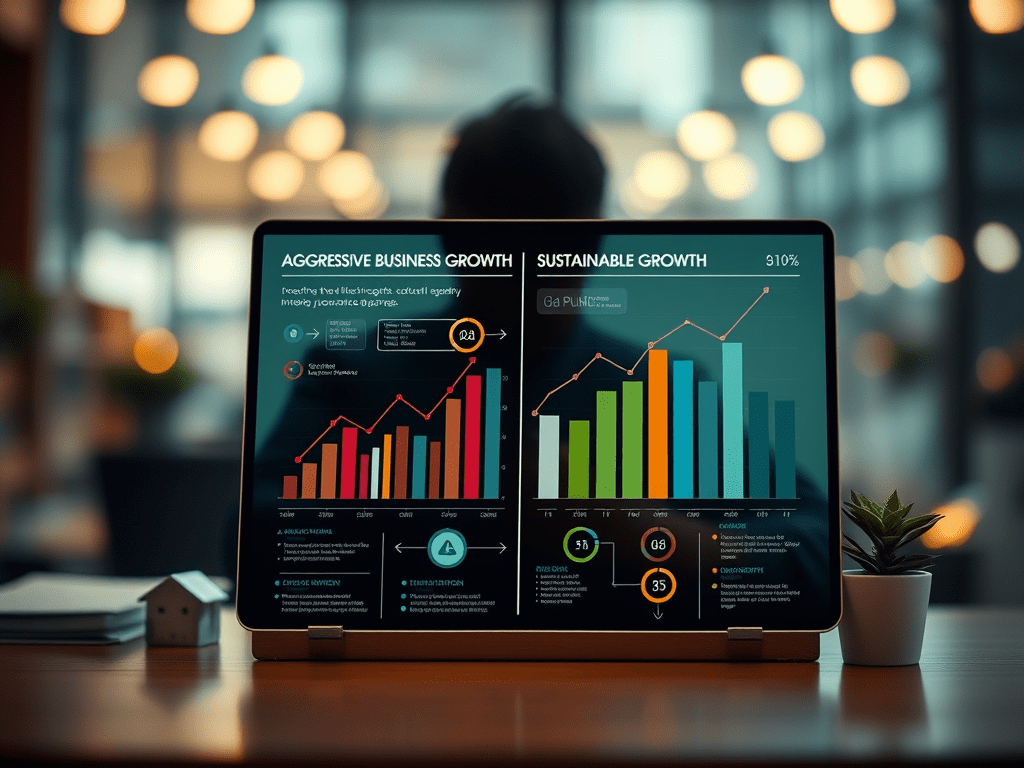
Here, an infographic comparing aggressive business growth to sustainable growth illustrate the long-term benefits of knowing “enough.”
Balancing Personal and Professional “Enough”
In today’s fast-paced world, finding the right balance between work and life is crucial. Ask yourself: Are you overcommitting to your job at the expense of your personal life? Recognizing “enough” means setting boundaries that allow you to thrive both professionally and personally.
Simple habits, such as not checking emails after work or setting aside time for family, can help create that balance. After all, what’s the point of career success if you’re too burnt out to enjoy it?
What’s one boundary you’ve set to protect your personal time? Share it in the comments!
How Much Money Is “Enough”?
Many people believe that the more money you have, the happier you’ll be. But research suggests that beyond a certain point, more money doesn’t lead to more happiness. Studies show that earning around $75,000 annually is where emotional well-being tends to plateau.
Think about it: Would earning double your current salary make you twice as happy? Or would it add stress and responsibilities?
Reflection: Have you ever noticed that getting more money or possessions doesn’t always make you happier? Why do you think that is?
Step-by-Step Guide to Finding “Enough” in Life
Finding “enough” doesn’t happen overnight. It’s a process. Here’s a step-by-step guide to help you along the way:
- Reflect on Needs vs. Wants: Take time to differentiate between what you truly need and what you think you need.
- Set Realistic, Meaningful Goals: Avoid setting goals based solely on external expectations or societal pressures.
- Prioritize Your Well-being: Make your health and happiness a priority in all decisions.
- Evaluate Regularly: Life changes, and so should your idea of “enough.” Reassess periodically to ensure you’re on track.
Step-by-Step Guide to Finding “Enough” in Business
Just like in life, businesses need to know when enough is enough. Here’s how to apply the concept in your professional endeavors:
- Define Success for Your Business: What does success mean for your business beyond profit?
- Set Realistic Growth Targets: Know your limits—over-expansion can lead to burnout for both you and your team.
- Avoid Unnecessary Expansion: Stay focused on what your business does best. Don’t chase growth at the expense of quality.
- Promote a Balanced Work Culture: Encourage your team to find their own “enough” in terms of workload and expectations.
Practical Ways to Implement “Enough” in Your Daily Life
Now that you understand the concept of “enough,” here are some ways to apply it in your daily routine:
- Start with Gratitude: Start each day by appreciating what you already have.
- Set Boundaries: Don’t let work consume your personal time. Define clear boundaries to protect your well-being.
- Celebrate Small Wins: Don’t wait for huge milestones. Celebrate progress, no matter how small.
Question for You: What’s one area of your life where you practice more gratitude or set better boundaries?
Inviting Readers to Reflect and Share Their Stories
Have you found your own “enough” in life or business? We’d love to hear your story. Share your journey with us in the comments. Let’s create a community of people who prioritize balance, happiness, and meaningful success.
Conclusion: The Strength in Knowing When to Stop
In the end, knowing “enough” is about finding balance in a world that constantly pushes for more. It’s the key to long-lasting happiness, success, and fulfillment. By recognizing when you’ve reached “enough,” you allow yourself the freedom to enjoy the current moment.
Take a step back and ask yourself: What’s your definition of “enough”? The answer just change your life.
FAQs
- How do I know when I’ve reached “enough”? You’ll know when you feel a sense of contentment rather than constant pressure to achieve more. It’s important to regularly reflect on your goals and satisfaction.
- Isn’t striving for more a good thing? Striving for more can be healthy, but only if it doesn’t compromise your well-being. Balance ambition with self-care.
- How can I apply “enough” in my business? Define your business goals clearly and avoid unnecessary expansion. Focus on sustainability and quality rather than endless growth.
- Can you ever have too much “enough”? Not really—having enough is about balance, not limits. It’s about recognizing what works for you personally and professionally.
- Why is it so hard to define “enough”? External pressures and societal norms often make it difficult. We’re conditioned to want more, so it takes practice to focus on contentment.
Hope you’ve truly enjoyed the read. I’d be incredibly grateful if you kindly share your valuable feedback/comments/stories in the Comment section below. Also, don’t forget to share the article with your community. Share it especially if you find it valuable and believe it have a positive impact on someone. And finally, please consider subscribing through email at the bottom so that you never miss a single article.
Stay Connected!!





 Wining Life & Business
Leave a comment