

Introduction
When we talk about revenue growth, many people instinctively think about money. They consider more money in the bank, higher profits, and bigger paychecks. But what if I told you that revenue growth is not just about chasing money? Instead, it’s about understanding the deeper principles that drive true success, both in life and business. In this article, we’ll explore why an early understanding of this concept is crucial. We’ll see how successful leaders have embodied this mindset. Finally, you’ll learn how you can apply these insights to your own life and business.
What Revenue Growth Really Means
Revenue growth isn’t just about increasing your income. It’s about expanding your capacity to create value. It’s also about innovating and reaching more people with what you have to offer. When we define revenue growth in these terms, it becomes clear. It’s not solely about financial gain. It’s about growing your impact and contribution to the world.
So, what’s the difference between revenue growth and profit? Profit is what’s left after all expenses are paid. Revenue growth is about the top-line increase—the overall amount of money a business brings in before any expenses are deducted. It’s a broader concept that encompasses the potential for expansion, innovation, and increased value creation.
Why It’s More Than Just Money
Revenue growth is not just about increasing the numbers. It’s about creating more value, serving more customers, and making a bigger impact. When you focus only on the money, you miss out on opportunities to innovate. You miss chances to improve your services. You miss the chance to build stronger relationships with your customers. In both life and business, it’s about the journey of growth, learning, and contributing more.
Pause and Reflect: What does revenue growth mean to you beyond just making more money?
The Pitfalls of Chasing Money
Why Chasing Money Can Lead to Burnout
It’s easy to think that more money equals more success. This mindset can lead to unsustainable practices. This happens both in business and in life. Businesses start cutting corners, focusing on short-term gains at the expense of long-term stability. In your personal life, you find yourself working longer hours. You sacrifice your health or relationships. All this is done in pursuit of more income.
This constant chase can lead to burnout—a state of physical and emotional exhaustion. It’s a reminder that money, while important, shouldn’t be the sole driver of our actions.
The Psychological Toll
When money is the only goal, it can create a cycle of never-ending want. You achieve your financial goals, only to feel unfulfilled and at once set new, higher targets. This can lead to stress and anxiety. You constantly push yourself to achieve more. You do this often at the expense of your well-being.
Pause and Reflect: Have you ever found yourself chasing money at the expense of your happiness or health?
The Power of Early Understanding in Life and Business
Why Early Realizations Matter
Understanding that revenue growth is not just about money—early on—can change the trajectory of your life. It can also change the trajectory of your business. Growth is about creating value. It is about improving lives. It is also about making a difference. You start making decisions aligned with these principles. This early understanding can help you avoid the pitfalls of chasing money. Instead, it can help you focus on building something meaningful and sustainable.
Pause and Reflect: How would your life or business change? What if you focused on value creation instead of just making money?
Case Studies of Successful Leaders
Steve Jobs: Innovation Over Profit
Steve Jobs wasn’t driven by the want to become rich. Instead, his passion was for innovation and creating products that changed the world. He once said, “Innovation distinguishes between a leader and a follower.” Jobs focused on creating exceptional products like the iPhone and the Mac. As a result, Apple’s revenue growth followed naturally. His approach was about making a lasting impact rather than just increasing profits.
Warren Buffett: Patience and Long-Term Value
Warren Buffett is one of the world’s most successful investors. He is a strong advocate of patience. He believes in long-term thinking. He famously said, “The stock market is designed to transfer money from the Active to the Patient.” Buffett didn’t chase quick profits; he invested in companies with solid fundamentals and let time work in his favor. His success shows that sustainable revenue growth comes from focusing on long-term value rather than short-term gains.
Oprah Winfrey: Passion and Purpose as Catalysts for Success
Oprah Winfrey’s story is one of next her passion and purpose. She didn’t aim to become a billionaire; she aimed to connect with people and share meaningful stories. Her dedication to her craft and her want to make a difference in the world fueled her success. Oprah once said, “The key to realizing a dream is to focus not on success but on significance.” Her revenue growth was a natural byproduct of her passion and purpose.
Pause and Reflect: Which leader’s approach resonates with you the most? How can you apply their principles to your own journey?
Famous Quotes on Understanding Growth
Quotes That Inspire Purpose-Driven Growth
Sometimes, a few words can capture a profound truth. Here are some quotes that emphasize the importance of purpose-driven growth:
“Profit in business comes from repeat customers, customers that boast about your project or service, and that bring friends with them.” – W. Edwards Deming
“Chase the vision, not the money; the money will end up following you.” – Tony Hsieh
“Success is not the key to happiness. Happiness is the key to success. If you love what you are doing, you will be successful.” – Albert Schweitzer
These quotes remind us that when we focus on passion, purpose, and creating value, revenue growth becomes a natural outcome.
Pause and Reflect: Which quote speaks to you the most? How can you incorporate its message into your daily life?
The Role of Purpose in Revenue Growth
Connecting Your Purpose to Business Success
Purpose is the foundation of sustainable growth. When your business is driven by a clear purpose, it naturally attracts customers, employees, and partners who share your vision. This alignment between purpose and business creates a strong foundation for long-term revenue growth.
Consider how Tesla, under Elon Musk’s leadership, focuses on accelerating the world’s transition to sustainable energy. This clear purpose has not only driven Tesla’s innovation but also its financial success. Customers are drawn to Tesla not just because of the products but because they resonate with the company’s mission.
Pause and Reflect: What is the core purpose that drives your actions in life and business?
Aligning Values with Business Goals
Why Values Matter in Business Decisions
Your values are your guiding principles—the things you stand for and believe in. Align your business decisions with your values. This alignment builds a company that is both successful and respected. It is also trusted. Companies that rank ethical practices, customer satisfaction, and employee well-being tend to thrive.
An example is Ben & Jerry’s, which is known for its commitment to social justice and environmental responsibility. Their values are deeply embedded in their business model, from sourcing ingredients to advocating for causes they believe in. This alignment of values with business goals has built a loyal customer base and fueled the company’s growth.
Pause and Reflect: Are your business decisions aligned with your core values?
Creating a Long-Term Vision
Why Vision is Crucial for Growth
A long-term vision acts as a roadmap for your growth journey. It helps you stay focused on your ultimate goals and provides direction, especially during challenging times. Without a clear vision, it’s easy to get sidetracked by short-term opportunities that not align with your long-term objectives.
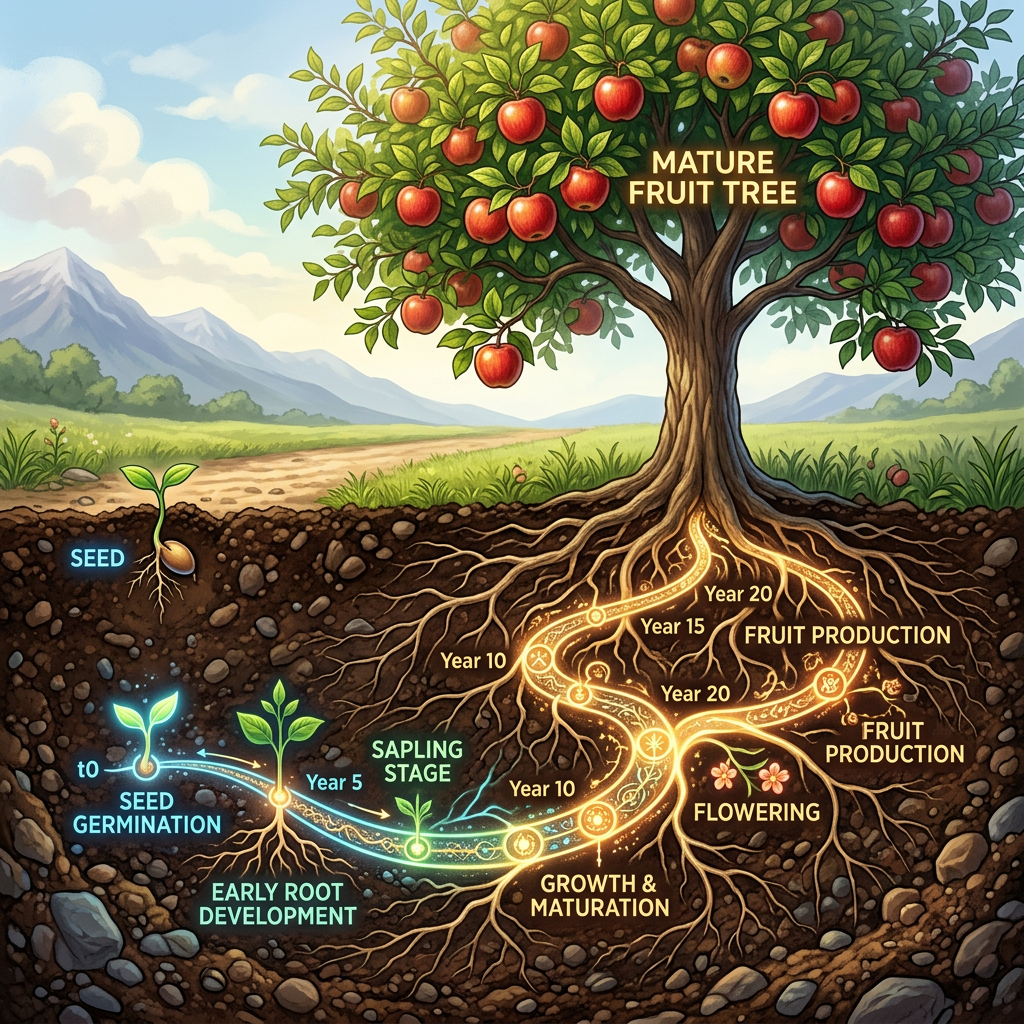
To create a long-term vision, start by imagining where you want to be in the next 5 years. Then consider the next 10 years. Finally, reflect on the next 20 years. What legacy do you want to leave? What impact do you want to have? Once you have a clear vision, you can start setting goals and creating strategies to achieve it.
Pause and Reflect: What is your long-term vision, and how are you working towards it every day?
Balancing Passion with Practicality
How to Balance Dreaming Big with Practical Steps
Passion is the fuel that drives us to pursue our dreams. But without practicality, it can lead to burnout or unfulfilled goals. The key is to channel your passion into a realistic business model that can sustain growth. It’s about dreaming big while also taking practical steps to make those dreams a reality.
Elon Musk’s journey with SpaceX and Tesla is a prime example. While his vision is ambitious—colonizing Mars and transitioning the world to electric vehicles—he approaches these goals with a practical mindset. He secures funding, builds strong teams, and carefully manages risks to make sure that his vision becomes a reality.
Pause and Reflect: How can you balance your passion with practical steps to achieve your goals?
Building a Strong Foundation
The Importance of Continuous Learning
A strong foundation is built on continuous learning and adapting to new challenges. The world is constantly changing, and those who commit to lifelong learning are better equipped to navigate these changes. Early education and life experiences play a crucial role in shaping your understanding of growth and success.
Invest in your education, seek out mentors, and stay curious. The more you learn, the more prepared you’ll be to make informed decisions that drive sustainable growth. Remember, the leaders who thrive are those who never stop learning.
Pause and Reflect: What are you now learning, and how is it helping you grow in life and business?
Step-by-Step Action Plan for Personal and Business Growth
Here’s a simple action plan to help you align your life and business with the principles of sustainable growth:
Step 1: Define Your Purpose
Ask yourself what drives you and what impact you want to have. Your purpose will be your guiding star.
Step 2: Develop a Long-Term Vision
Outline where you want to be in the future. Break this vision down into achievable milestones.
Step 3: Align Your Values with Your Vision
Make sure your actions and decisions reflect your core values. When your values align with your vision, you create a foundation that supports sustainable growth.
Step 4: Focus on Sustainable Growth, Not Just Quick Win
Don’t just aim for quick wins. Invest in relationships, quality, and innovation. This approach ensures your growth is not only successful but also meaningful.
Step 5: Continuously Learn and Adapt
Keep learning and stay flexible. The business landscape is always changing, and adaptability is key to long-term success.
Conclusion
Revenue growth is not just about chasing money; it’s about creating value, pursuing a purpose, and making a lasting impact. By understanding this early on, you set yourself up for sustainable success in both life and business. Start by defining your purpose, developing a long-term vision, and aligning your values with your goals. With these principles as your foundation, you’ll not only achieve revenue growth but also find true fulfillment in the journey.
FAQs
1. What is the difference between revenue growth and profit?
Creating value means solving problems and meeting needs. When you focus on value, people naturally support your business, leading to growth.
2. How can I develop a purpose-driven business strategy?
Start by defining your core values and what drives you. Align your business goals with these values and focus on creating long-term value.
3. Why is it important to focus on long-term growth?
Long-term growth ensures sustainability, resilience, and the ability to weather challenges. It’s about building something that lasts.
4. What are some examples of leaders who prioritized purpose over profit?
Steve Jobs, Warren Buffett, and Oprah Winfrey are prime examples of leaders who focused on innovation, value, and purpose.
5. How can I balance passion with practicality in my business?
Channel your passion into a sustainable business model, set realistic goals, and stay flexible to adapt to challenges.
Hope you’ve enjoyed the reading! Your feedback is highly valued, so please don’t hesitate to share your thoughts in the comments section below. If you believe this content positively impact at least one person, kindly consider sharing the article. For regular notifications, please subscribe via email in the bottom section. This will make sure you don’t miss out on any articles.
Stay Connected!!






Leave a Reply