
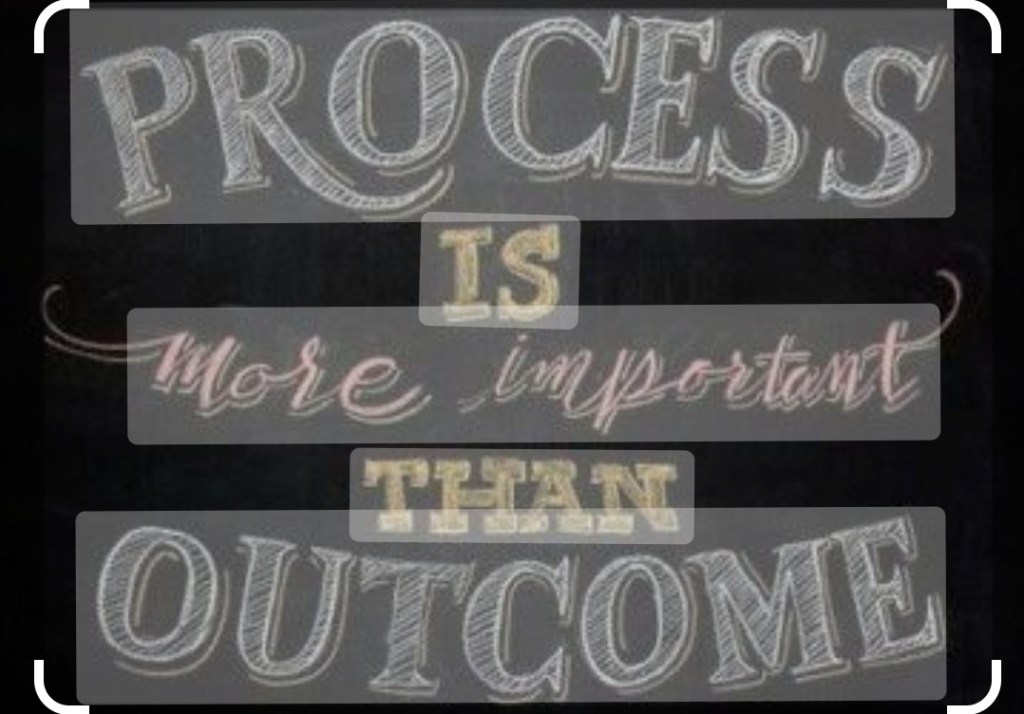
Albert Einstein: “Try not to become a man of success, but rather try to become a man of value.”
The idea that “how you did it” is more important than “what you achieved” in life and business is a perspective often associated with ethics, values, and the impact of one’s actions on others and the world at large. It emphasizes the means or methods employed to achieve goals rather than just the outcomes themselves. Here are a few values why “how you did it” can be considered more important:
Ethical Considerations: The way she conducts herself, whether in personal or professional contexts, can significantly impact her reputation and how others perceive her. By integrating ethical and moral principles into her behavior, she can create a more positive and lasting impression. This approach is absolutely essential, as it can help her build trust and establish credibility with those around her.
Sustainability: Achieving success through harmful means can lead to negative consequences. Being environmentally and socially responsible can ensure a positive, sustainable impact.
Relationship Building: The quality of her relationships can be greatly influenced by how she interacts with others, such as employees, colleagues, customers, and partners. Establishing strong relationships (how) based on trust (how) can lead to more meaningful and long-lasting achievements (what).
Personal Growth: The process (how) of achieving goals can lead to personal growth (what) and development (what). Learning (how) from challenges, setbacks, and ethical dilemmas can enhance empathy and self-awareness.
Legacy: Her legacy (how) is often shaped by the impact (what) she has on people’s lives and society as a whole. People tend to remember more than what she has accomplished over how she made them feel and the values she upholds.
Resilience: If she focuses solely on outcomes (what) without considering the means (how), she may be more susceptible to shortcuts, unethical behavior, or actions that compromise her long-term success (what). A commitment (how) to doing things the right way can contribute to greater resilience (what).
Cultural and Organizational Values: In business, the culture (how) and values (how) of an organization play a crucial role in its long-term success (what). Emphasizing the “how” can help create a positive organizational culture that attracts and retains talented individuals.
Based on the given values, let’s explore how successful leaders have embraced the concept of “How over What”.
Warren Buffett: Buffett is known for his emphasis on ethical business practices. He has often stated that he looks for companies with strong management and ethical values when making investment decisions, emphasizing the importance of “how” a company operates. He’s also known for his patient, long-term investment approach, focusing on the process (how) of investing wisely rather than chasing short-term gains (what).
Howard Schultz (Former CEO of Starbucks): Schultz is known for his commitment to corporate social responsibility. Under his leadership, Starbucks implemented various initiatives (how), such as ethical sourcing of coffee beans and providing health benefits (how) to part-time employees. Schultz’s emphasis on social impact and responsible business practices demonstrates a focus on “how you did it” in addition to the company’s achievements.
Elon Musk: Musk is often cited for his determination and unrelenting pursuit of ambitious goals, such as colonizing Mars and transitioning the world to sustainable energy. His emphasis on innovation (how) and sustainable technologies (how) reflects a focus on the process (how) of creating positive change (what) for the world.
Indra Nooyi (Former CEO of PepsiCo): Nooyi is known for her focus on diversity (how) and sustainability (how) during her tenure at PepsiCo. She pushed for healthier product options and sustainable practices within the company. Her leadership showcased a commitment (how) to ethical and responsible business practices, emphasizing “how” the company achieved its results (what).
Tim Cook (CEO of Apple): Cook has been vocal about Apple’s commitment (how) to environmental sustainability. Under his leadership, the company has made strides in reducing its carbon footprint and using renewable energy sources. Apple’s dedication (how) to ethical supply chain practices and environmental responsibility demonstrates a focus on “how” the company conducts its business.
In a nutshell, while achieving goals and results is undoubtedly important in life and business, the manner in which she has achieved those outcomes can be more significant in terms of long-term impact, personal growth, and ethical considerations. Striving for success while upholding principles (how) of ethics, sustainability, and positive relationships can lead to a more meaningful and lasting impact (what) on both her own life and the broader community.
Hope you enjoyed the Read!
Please share your insights in the comment section.
Request to Follow, Contact, and Share to have an impact!








Leave a Reply