Design your inner-self, build your dream business!!

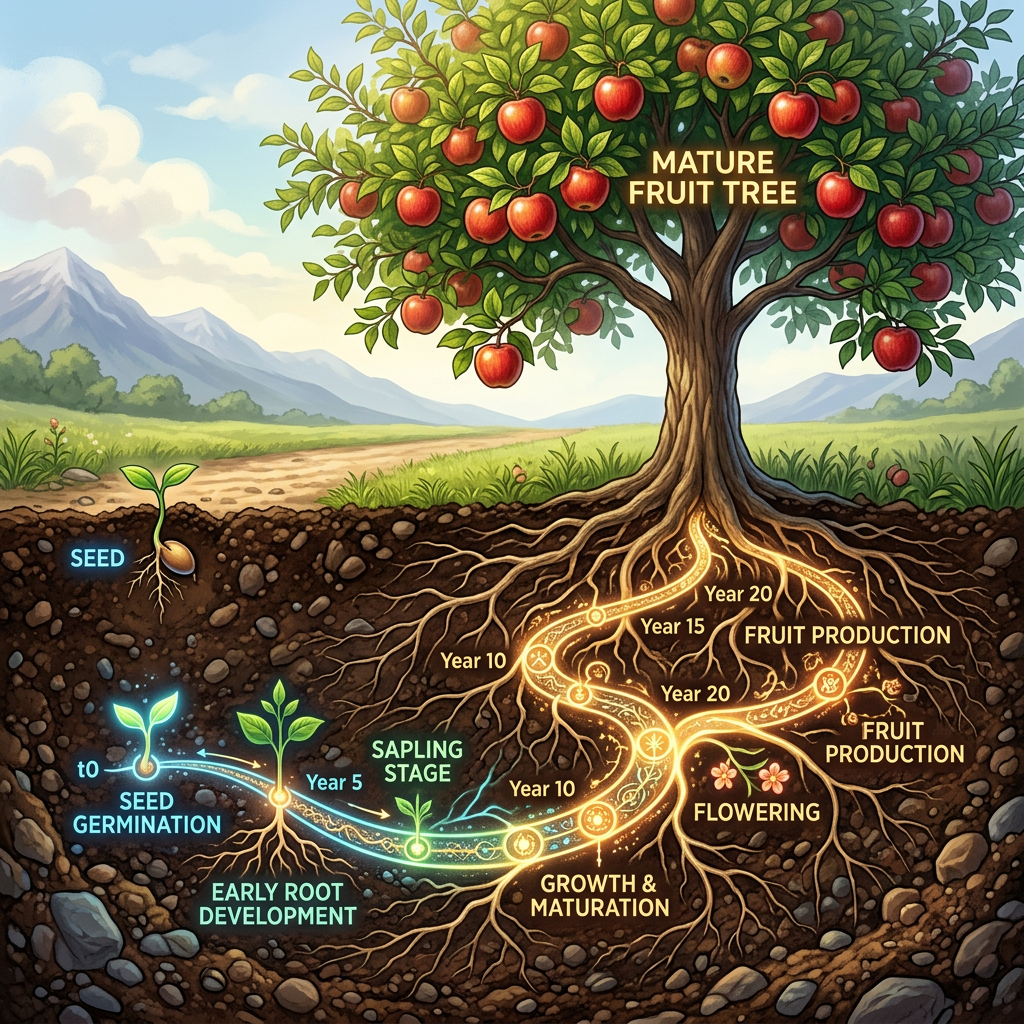
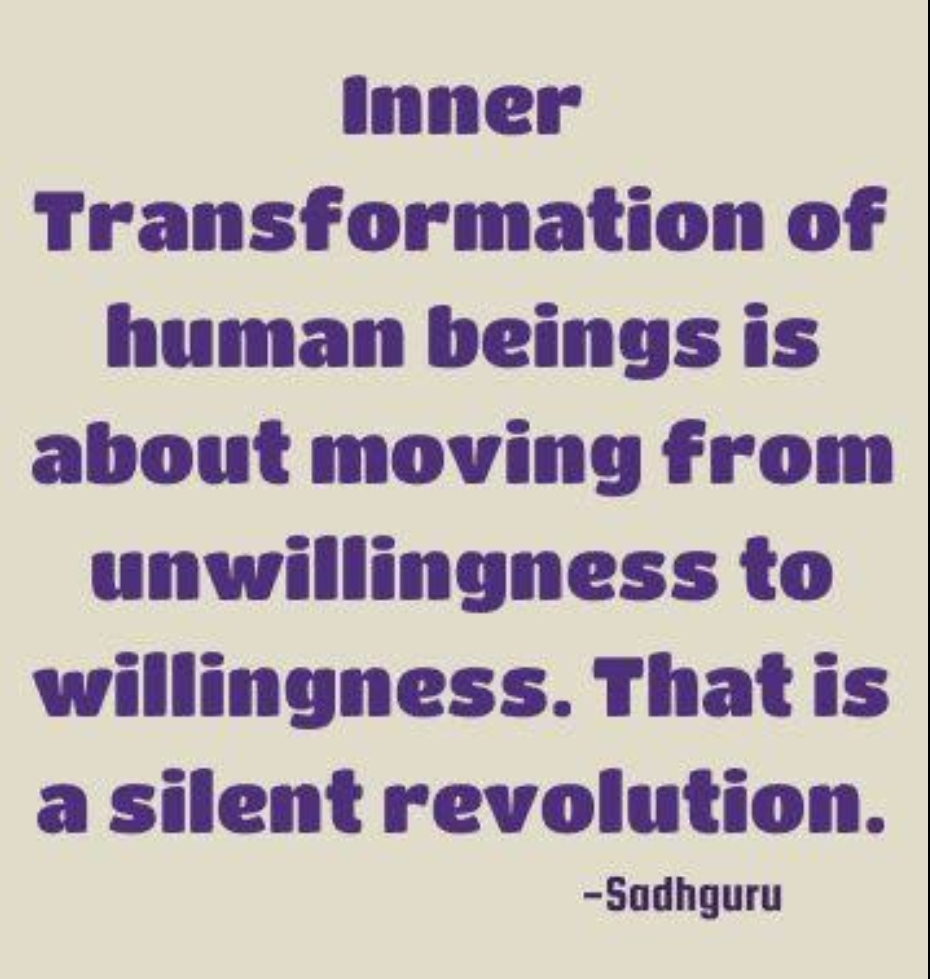
Silent transformation in life and business!

Gradual and often unnoticed changes in our personal and professional lives can have a significant impact on our experiences. These subtle transformations shape our outlook, behavior, and outcomes. In this article, we will explore this concept in both personal and business contexts.

Nelson Mandela: “It always seems impossible until it’s done. The silent transformation of persistence and resilience can change the world.”

Steve Jobs: “Your work is going to fill a large part of your life, and the only way to be truly satisfied is to do what you believe is great work. The silent transformation comes when you follow your passion.”

Life:

Personal growth: Involves small daily habits like reading, meditation, or exercise that can lead to significant improvements in physical and mental health over time.

Relationships: As individuals grow and adapt, their relationships can evolve silently. Partners or friends may develop deeper connections or diverge as their interests and values shift over time, without any overt changes or discussions.

Mindset: The transformation of our mindset takes time but can have a significant impact on our lives. Even though it may not be apparent right away, transitioning from a fixed mindset to a growth mindset can lead to new opportunities and increased resilience.

Nelson Mandela: During his 27 years of imprisonment, Nelson Mandela experienced a profound transformation. He underwent a personal journey of self-discovery and reflection, which led him from being a fiery revolutionary to a statesman who advocated for reconciliation and forgiveness. This silent transformation played a crucial role in ending apartheid in South Africa and creating a multi-racial democracy.

Steve Jobs: Steve Jobs, co-founder of Apple Inc., experienced a silent transformation in his leadership style. After being ousted from Apple in the 1980s, he founded NeXT and Pixar, where he honed his skills as a visionary leader. When he returned to Apple, his leadership had evolved, making him a more effective and innovative leader, as evidenced by the success of products like the iPod, iPhone, and iPad.

Indra Nooyi: Indra Nooyi, the former CEO of PepsiCo, underwent a personal transformation in her leadership style. She evolved from being a conservative leader to an advocate for diversity and sustainability within the company. Her silent transformation involved aligning her values with her corporate leadership, resulting in PepsiCo’s focus on healthier products and sustainability initiatives.

APJ Abdul Kalam: Dr. APJ Abdul Kalam, a former President of India, underwent a silent transformation from being a brilliant scientist to a beloved statesman. After his tenure at the Indian Space Research Organisation (ISRO), he dedicated himself to youth empowerment and education. He became a mentor and role model for millions of young Indians, inspiring them to pursue careers in science and technology.

Business:

Company Culture: Silent transformation can happen within an organization’s culture as new perspectives and experiences are introduced by employees. This can lead to a more inclusive, innovative, or customer-centric culture without explicit interventions.

Technology Adoption: Businesses can adopt new technologies without making public announcements. Increased productivity and efficiency can result as employees adapt to new tools and processes.

Market Positioning: Companies may alter their market position due to changing customer preferences or market dynamics, which can majorly impact their success.

Leadership Style: Leaders can undergo silent transformations in their leadership styles. They may gradually become more collaborative, empathetic, or strategic, which can positively affect team dynamics and performance.

In both life and business, these silent transformations underscore the importance of consistent effort, adaptability, and a long-term perspective. While they may not always be immediately visible, they can lead to meaningful and lasting change over time. Recognizing and nurturing these subtle shifts can be the key to personal and professional growth and success.

Hope you have liked the Read!

Please share your insights/experiences on Silent transformation in the comment section.

Request to Share, Follow, and Contact to have an impact!

Responses

  1. ADITYA KUMAR MISHRA Avatar

    True transformation occurs only when one realizes that everything is impermanent, everything is changing. We (our body), the world outside us, the entire universe are constantly changing. 
    Then starts the quest to find that which is permanent, never changing, beyond name and form and time and space.

    Liked by 1 person

    1. Raja Paul Avatar

      Thank you Aditya Sir for your deep insight on Silent transformation.

      Like

  2. Barnali Sarkar Avatar

    Good read.

    Liked by 1 person

  3. Shahid Ashraf Avatar

    Silent transformation has been a game-changer in my life. It’s not about shouting your progress from the rooftops, but quietly evolving and growing. The most powerful changes often happen when no one is watching. silent transformation is a personal and introspective process, and these comments reflect various perspectives and experiences. In a world that often glorifies the loud and flashy, silent transformation is a refreshing reminder that meaningful change doesn’t always need to be on display.

    Liked by 1 person

Leave a comment

  • Generalist vs Specialist: Why T-Shaped Leadership Matters in Life and Business

    Generalist vs Specialist: Why T-Shaped Leadership Matters in Life and Business

    The content discusses the dilemma between being a generalist or specialist in one’s career, emphasizing that success isn’t about choosing one path but knowing when each is applicable. T-shaped leadership, combining deep expertise with broad knowledge, is showcased as the ideal approach, enabling leaders to adapt, collaborate, and remain relevant across industries.

  • 1st Generation vs 3rd Generation Business Owners: How Understanding Their Mindset Can Transform Your Life and Business!

    1st Generation vs 3rd Generation Business Owners: How Understanding Their Mindset Can Transform Your Life and Business!

    The article contrasts the mindsets of 1st generation and 3rd generation business owners, highlighting how their experiences shape decision-making. While 1st generation owners emphasize immediate risks and survival, 3rd generation owners focus on long-term strategies and stability. Recognizing these differences can enhance communication, mitigate conflicts, and foster personal growth in business environments.

  • Dopamine Is Not the Pursuit of Happiness—Happiness Is the Pursuit: A Neuroscience-Based Guide for Life and Business

    Dopamine Is Not the Pursuit of Happiness—Happiness Is the Pursuit: A Neuroscience-Based Guide for Life and Business

    Andrew Huberman argues that dopamine, essential for motivation, should be linked to effort rather than instant gratification. High dopamine spikes lead to crashes, resulting in emotional flatness. Sustainable happiness stems from consistent effort, as seen in practices like exercise and skill-learning. True fulfillment arises from stabilizing dopamine levels, not chasing fleeting highs.

  • Possibility vs Probability: The Attitude That Shapes Life and Business

    Possibility vs Probability: The Attitude That Shapes Life and Business

    The distinction between probability and possibility thinking shapes personal and professional decisions. Probability focuses on historical data and risk assessment, often stifling growth. In contrast, possibility emphasizes potential and adaptability, fostering innovation and leadership. Embracing possibility encourages bold actions and consistent efforts, leading individuals to turn challenges into opportunities for success.

  • Asymmetric Advantage vs Customer Pain: The Hidden Formula Behind Sustainable Success in Life and Business

    Asymmetric Advantage vs Customer Pain: The Hidden Formula Behind Sustainable Success in Life and Business

    Success is often misinterpreted as hustle or luck, but lasting impact comes from recognizing unique strengths and addressing acute customer pain. Asymmetric advantage involves leveraging personal strengths for outsized results, while acute pain signifies immediate, pressing problems. Understanding these concepts fosters better life and career decisions, driving meaningful impact and sustainability.

Subscribe

Enter your email below to receive updates.